
Take one probiotic supplement (or drink 250 mL of kombucha) with your first meal of the day, at a consistent time, every day. That single habit covers the core of any solid probiotic daily schedule. Probiotics are transient colonizers — they pass through rather than permanently settling in your gut — so daily intake is what keeps the effect going. Stop taking them, and the benefit fades within days to weeks.
Your three-step action plan:
- Buy a product with named strains, a documented CFU count, and a clear expiry date.
- Schedule it at the same meal every day (breakfast works well for most people).
- Track digestion, energy, and stool form weekly for the first 4–8 weeks.
Table of Contents
- What does a step-by-step daily probiotic routine look like?
- How do probiotics actually work, and when will you notice a difference?
- How do you choose the right daily probiotic in Switzerland?
- Are there safety concerns or drug interactions you should know about?
- How does kombucha fit into a daily probiotic-support routine?
- How should you store probiotics and kombucha to keep cultures alive?
- How do you monitor your routine and know when to see a professional?
- Key Takeaways
- Why the “just take a probiotic” advice misses the point
- Aboocha kombucha: a daily fermented support option
- Useful sources
- FAQ
What does a step-by-step daily probiotic routine look like?
Two templates work for most people. Pick the one that fits your schedule and stick with it.
Morning-first routine
- Wake up and drink a glass of lukewarm water.
- Prepare breakfast (even something small — a piece of fruit, yogurt, or toast).
- Take your probiotic capsule or sachet with the first few bites of food, or open a chilled bottle of kombucha and drink it alongside your meal. Pairing kombucha with food also improves the sensory experience.
- Avoid hot coffee or tea at the exact moment of dosing. Temperatures above 40°C can reduce bacterial survival, according to practical administration research.
- Log it: a simple checkmark in a notes app or habit tracker takes five seconds.
Evening-first routine
- Take your probiotic with dinner instead — useful if mornings are chaotic.
- Same rules apply: food buffer, no scalding drinks, consistent timing.
- Note any digestive changes before bed (bloating, comfort, regularity).
Tracking does not need to be elaborate. A short weekly check on four signals is enough:
- Stool form and frequency (use the Bristol Stool Scale as a reference)
- Bloating or gas (better, worse, or unchanged)
- Energy levels (especially morning energy)
- Mood and mental clarity (emerging research links gut-brain signaling to mood, though this is still an active area)
Pro Tip: Attach your probiotic to an existing habit — morning coffee prep, brushing teeth, or pouring breakfast. The cue-routine-reward loop makes the behavior automatic within two to four weeks.
How do probiotics actually work, and when will you notice a difference?
Probiotics are live microorganisms that, when consumed in adequate amounts, may benefit health. The key word is “transient.” Research confirms that most probiotic strains do not permanently colonize the intestine; they pass through and interact with the existing microbiota, the gut lining, and the immune system while they are present. Daily intake maintains that interaction. Skip a week, and the effect diminishes.

What that means practically: probiotics are not a one-time fix. They are closer to a daily input, like dietary fiber, than a course of treatment.
Realistic timelines vary by person and by what you are trying to address:
| Timeframe | What you might notice |
|---|---|
| Days 1–7 | Mild gas or bloating as gut bacteria adjust (common, usually temporary) |
| Weeks 2–4 | Improved stool regularity, reduced bloating in many people |
| Weeks 4–8 | More consistent digestion, possible energy improvements |
| Weeks 8–12 | Measurable shifts for targeted complaints (IBS symptoms, post-antibiotic recovery) |
| Beyond 12 weeks | Sustained benefit with continued daily intake; effects plateau for most general-wellness goals |
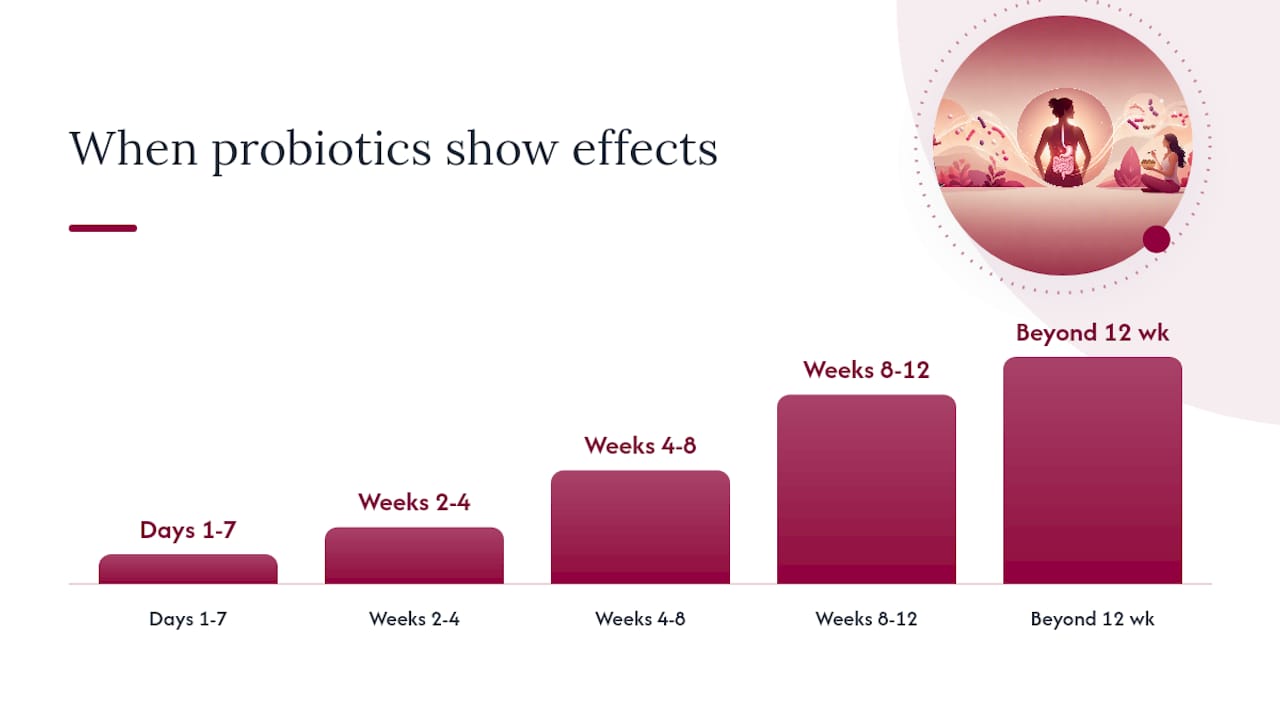
Harvard’s Nutrition Source notes that probiotic effects are strain-specific and variable by indication — meaning a strain that helps one person with bloating may do little for another person’s constipation. That variability is normal and is why tracking matters.
Common outcomes people notice with consistent use:
- Softer, more regular stools
- Less post-meal bloating
- Reduced frequency of loose stools after travel or dietary changes
- Faster gut recovery after antibiotics
How do you choose the right daily probiotic in Switzerland?
Strain selection is where most people go wrong. A probiotic labeled “for digestive health” tells you almost nothing useful. What matters is whether the specific strain in the product has clinical evidence for your goal.
Strain-specific guidance
General maintenance (no specific complaint): multi-strain products containing Lactobacillus acidophilus, Bifidobacterium longum, or Lactobacillus rhamnosus GG are among the most studied for everyday gut support. For a targeted issue — IBS, constipation, post-antibiotic recovery — consult a Swiss pharmacist or GP before choosing, since strain match matters significantly for therapeutic outcomes.
CFU guidance
Dosing research frequently cites around 10 billion CFU/day as a benchmark for therapeutic effects in many trials. General wellness maintenance may work at lower doses. What matters as much as the number is viability: CFU at time of manufacture is meaningless if the product was stored incorrectly. Look for CFU guaranteed at expiry, not just at production.
Format comparison
| Format | Pros | Cons |
|---|---|---|
| Capsule (enteric-coated) | Protects bacteria through stomach acid; easy to dose | Requires water; some need refrigeration |
| Sachet / powder | Flexible dosing; mixes into food or drink | Taste can vary; less portable |
| Ready-to-drink (kombucha) | Enjoyable daily habit; food-matrix delivery | CFU count variable; not classified as a therapeutic probiotic in Switzerland |
| Shelf-stable tablet | Travel-friendly; no refrigeration | Heat and compression can reduce viability |
Label-reading checklist
- Strain name listed to species and strain level (e.g., Lactobacillus rhamnosus GG, not just “Lactobacillus”)
- CFU count guaranteed at expiry date
- Storage instructions clearly stated
- Clinical evidence referenced or available from the manufacturer
- No vague health claims that exceed what Swiss law permits
Swiss BLV regulatory note
The Swiss Federal Food Safety and Veterinary Office (BLV) requires health-related claims on food and supplement labels to be scientifically substantiated. Products sold in Switzerland cannot use therapeutic claims without meeting strict documentation criteria. If a label promises to “cure” or “treat” a condition, that is a red flag — not a feature. Read claims critically and cross-check with your pharmacist.
Pro Tip: Swiss pharmacies (Apotheken) are an underused resource. Pharmacists can recommend strain-specific products available locally and flag interactions with any medications you take.
Are there safety concerns or drug interactions you should know about?
For most healthy adults, probiotics are well tolerated. The first week sometimes brings mild gas or bloating as the gut adjusts — this usually resolves on its own.
Common mild side effects:
- Temporary gas and bloating (days 1–7)
- Loose stools or slight changes in frequency early on
- Mild abdominal discomfort that fades within a week
Antibiotic interactions
Taking probiotics alongside antibiotics is generally beneficial for preventing antibiotic-associated diarrhea. Clinical protocols recommend starting probiotics early in the antibiotic course and continuing for several weeks after finishing. One important nuance: space bacterial probiotic strains at least two hours away from your antibiotic dose so the antibiotic does not kill the probiotic bacteria before they reach the gut. Saccharomyces boulardii is a yeast-based probiotic and is not affected by antibiotics, so it can be taken at the same time.
Who should consult a doctor first
Before starting any probiotic supplement, speak with a healthcare professional if you are: severely immunocompromised (e.g., undergoing chemotherapy, organ transplant recipient), living with a critical illness or sepsis risk, recovering from surgery involving the gastrointestinal tract, a neonate or premature infant, or taking immunosuppressant biologics such as infliximab. In these groups, even “safe” probiotic strains carry a small but real risk of translocation or infection.
This is general information, not medical advice. Confirm your specific situation with a Swiss GP, gastroenterologist, or pharmacist before starting a probiotic regimen.
How does kombucha fit into a daily probiotic-support routine?
Kombucha is not a probiotic supplement in the clinical sense, and in Switzerland the BLV does not permit kombucha to be labeled as a therapeutic probiotic under standard food-law rules. That legal distinction does not mean it lacks value — it means you should think of it as food-based gut support rather than a replacement for a targeted supplement.
The evidence for kombucha as a daily habit is building. A six-week randomized trial using fiber-enriched kombucha at 250 mL/day showed increases in Bifidobacterium and shifts in microbial beta diversity compared with a control beverage. A separate clinical study found that daily kombucha intake can modestly modulate gut microbiota and improve bowel regularity in the short term. Both trials used fiber-enriched formulations, suggesting synbiotic potential when kombucha is combined with prebiotic fibers.
Kombucha also contains organic acids produced during fermentation, including acetic and gluconic acid, which contribute to its antimicrobial properties and distinctive flavor.
Practical guidance for daily kombucha use
- Serving size: about 250 mL per day is commonly used in clinical trials; a standard bottle is a reasonable daily portion.
- Drink it chilled, with or just before a meal.
- Check the label for alcohol content — commercially produced kombucha in Switzerland typically contains under 0.5% alcohol, but this varies by brand and batch.
- Pasteurized kombucha has a longer shelf life but fewer live cultures; unpasteurized versions carry more live organisms but require consistent refrigeration.
- Safety research notes that improperly prepared homemade kombucha carries contamination risks; commercially produced, pH-monitored products are safer for daily use.
Kombucha vs. supplements: quick comparison
- Supplements: precise CFU count, strain-documented, regulated dosing, better for targeted therapeutic goals.
- Kombucha: enjoyable daily habit, food-matrix delivery, modest microbiota support, lower regulatory classification in Switzerland.
For a deeper look at how these two options compare, this overview covers the practical differences.
Pro Tip: Consistency matters more than perfection. Trials show individual variability in kombucha response — what drives long-term benefit is the habit itself, not chasing a single clinical outcome.
How should you store probiotics and kombucha to keep cultures alive?
Storage is where many people unknowingly undermine a product they paid good money for.
Probiotic supplements
- Refrigerate if the label says to — this is not optional for refrigerated strains.
- Shelf-stable capsules can be stored at room temperature, away from direct sunlight and humidity (a bathroom cabinet is a poor choice; a kitchen drawer away from the stove is better).
- Never store probiotics near a heat source or in a car during summer.
- Check the expiry date before buying and again before each month of use.
- If you travel, use a small insulated pouch with an ice pack for refrigerated products on trips longer than a day.
Kombucha
- Keep unpasteurized kombucha refrigerated at all times; it continues fermenting at room temperature, which raises alcohol content and acidity.
- Once opened, consume within 2–3 days for best flavor and culture viability.
- If a bottle smells off, looks unusually cloudy beyond normal sediment, or has an unexpected color change, discard it.
Missed a dose?
Skip it and resume the next day at your normal time. Do not double up. One missed day does not reset your progress, but a week of inconsistency will reduce the benefit, since probiotic effects depend on continuous presence.
How do you monitor your routine and know when to see a professional?
Self-monitoring does not require a lab. A simple weekly check is enough for most people.
Weekly monitoring checklist
- Stool form (Bristol Stool Scale types 3–4 are the target range for healthy adults)
- Stool frequency (1–3 times per day is typical)
- Bloating or gas (rate on a simple 1–5 scale)
- Energy and mood (note any consistent changes)
- Any adverse effects (rash, unusual pain, persistent diarrhea)
Evaluation windows
- Weeks 1–2: Expect adjustment. Mild gas is normal.
- Weeks 4–8: Reassess. If no change in your target symptom, consider switching strains or increasing CFU.
- Weeks 8–12: For targeted complaints (IBS, post-antibiotic recovery), this is the window where measurable shifts are most likely.
- Beyond 12 weeks: If you have seen no benefit at all, the strain may not match your need. Consult a pharmacist or gastroenterologist before continuing.
When to stop and seek professional advice
- Persistent diarrhea or worsening symptoms beyond two weeks
- Fever, unusual fatigue, or signs of infection after starting probiotics
- You are on a complex drug regimen (immunosuppressants, biologics, chemotherapy)
- You have an underlying GI condition (Crohn’s disease, ulcerative colitis) and have not yet discussed probiotics with your specialist
- Symptoms that were improving suddenly worsen
A Swiss GP, gastroenterologist, or pharmacist is the right first call. For pairing probiotics with digestive enzymes, this buyer’s guide covers the practical considerations.
Key Takeaways
A consistent daily probiotic routine built around named strains, correct storage, and realistic timelines delivers the most reliable gut health benefits for healthy adults.
| Point | Details |
|---|---|
| Daily consistency is non-negotiable | Probiotics are transient; benefits fade when you stop, so a fixed daily schedule is the foundation. |
| Match strain to goal | General maintenance strains differ from therapeutic ones; consult a pharmacist for targeted issues. |
| CFU and viability both matter | Look for CFU guaranteed at expiry, not just at manufacture, and follow storage instructions exactly. |
| Kombucha is food-based support | Under Swiss BLV rules, kombucha cannot be labeled a therapeutic probiotic; treat it as a daily complement, not a replacement. |
| Aboocha as daily support | Aboocha’s low-sugar, flavor-forward kombucha offers a consistent, enjoyable way to incorporate fermented beverage support into your routine. |
Why the “just take a probiotic” advice misses the point
Most probiotic guidance stops at “take one daily.” That framing skips the part that actually determines whether you get any benefit: strain match, timing, storage, and honest expectations about what a transient microorganism can do.
The gut microbiome is not a problem you fix once. It responds to what you feed it every day — fiber, fermented foods, sleep, stress levels. A probiotic supplement or a daily kombucha is one input among many. The people who get the most from a probiotic routine are usually the ones who also eat enough fiber, stay hydrated, and give the routine at least eight weeks before judging it.
The Swiss BLV’s strict labeling rules are actually useful here. They push consumers toward products that can back their claims with evidence, rather than relying on marketing language. When a product cannot legally say “probiotic” on the label in Switzerland, that is a prompt to ask better questions: what strains are in this? What does the research say about those strains for my specific goal?
Kombucha sits in an interesting middle ground. It is not a pharmaceutical. It is not a supplement. It is a fermented food with a growing body of evidence for modest microbiota support, and it is genuinely enjoyable to drink. That enjoyability is not a trivial detail — it is what makes the habit stick.
Aboocha kombucha: a daily fermented support option
Supplements cover the clinical side of a probiotic routine. For the daily enjoyment side, Aboocha offers something different: ready-to-drink kombucha in low-sugar, flavor-forward profiles like Sour Plum and Yuzu Osmanthus, designed to make the fermented-beverage habit something you look forward to rather than something you remember to do.
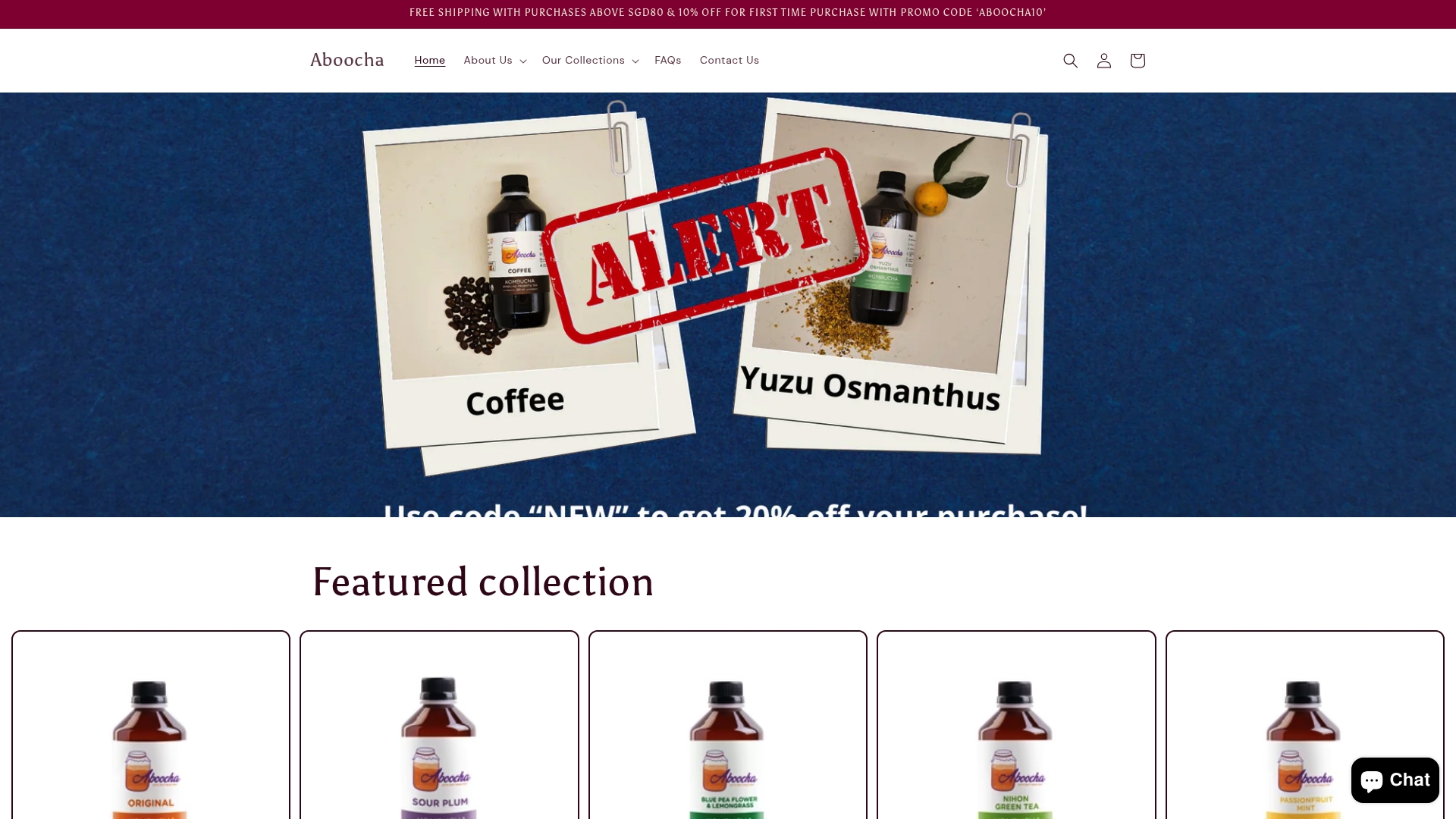
Aboocha is the publisher of this guide and sells kombucha directly. That is worth stating plainly. The kombucha is a food-based gut support option, not a therapeutic probiotic under Swiss BLV classification, and it works best as a complement to a supplement routine rather than a replacement for one. For medical conditions, consult a clinician.
Individual bottles, curated flavor sets, and subscription delivery plans are available at aboocha.com. A subscription is the simplest way to keep the habit going without reordering manually. Browse the range of probiotic-rich fermented beverages to find the format that fits your routine, then place your first order.
Useful sources
The sources below are worth bookmarking for deeper reading on probiotics, Swiss food regulation, and fermented beverage research.
| Source | Why it’s useful |
|---|---|
| Swiss BLV (Federal Food Safety and Veterinary Office) | Official Swiss food-law guidance on health claims and probiotic labeling rules |
| Harvard Nutrition Source — Probiotics | Clear, evidence-based overview of strain-specific effects and general gut health |
| PMC8023131 — Probiotics and antibiotic-associated diarrhea | Clinical protocols for probiotic timing during and after antibiotic courses |
| PMC10470842 — Probiotic dosing and delivery | Evidence review on CFU benchmarks and how delivery format affects viability |
| PMC12271789 — Fiber-enriched kombucha trial | Six-week RCT showing microbiota shifts from daily kombucha intake |
| MDPI — Kombucha clinical study | Short-term trial evidence for gut microbiota modulation and bowel regularity |
| PMC10178031 — Kombucha safety and bioactivity | Composition variables, safety considerations, and fermentation hygiene |
| PMC11342770 — Practical probiotic administration | Timing, meal pairing, and storage guidance for daily use |
| netDoktor.ch — Probiotika | Swiss-relevant overview of probiotic mechanisms and daily use guidance |
For personalized advice, a Swiss pharmacist (Apotheker/Apothekerin) is the most accessible starting point. They can recommend specific products available locally and flag any interactions with your current medications.
FAQ
What is the best way to take probiotics daily?
Take your probiotic with or just before a meal at the same time each day, with lukewarm water. Avoid hot beverages at the moment of dosing, since temperatures above 40°C can reduce bacterial survival.
How often should you take probiotics?
Once daily is the standard for most products and the schedule used in the majority of clinical trials. Consistency at a fixed time matters more than the exact hour you choose.
What is a good probiotic to take every day?
For general maintenance, look for a product with named strains such as Lactobacillus rhamnosus GG or Bifidobacterium longum, a CFU count guaranteed at expiry, and clear storage instructions. For a targeted condition, consult a Swiss pharmacist for a strain-matched recommendation.
Can you take probiotics while on infliximab or other biologics?
Speak with your gastroenterologist or prescribing physician before starting probiotics if you are on infliximab or any immunosuppressant biologic. Severely immunocompromised individuals face a small but real risk from live microorganisms, and the decision requires clinical judgment.
Does kombucha count as a daily probiotic?
Under Swiss BLV food-law rules, kombucha cannot generally be labeled as a therapeutic probiotic. It is a fermented food that can modestly support gut microbiota as part of a daily routine, but it is not a substitute for a clinically documented probiotic supplement when one is indicated.