
Fermented drinks are defined as beverages produced through microbial fermentation, and their role in fermented drinks immunity is direct: they introduce live probiotics that reshape the gut microbiome and regulate immune responses. About 80% of the immune system is directly linked to the gut, which means what you drink affects far more than digestion. A diet rich in fermented foods produces measurable increases in gut microbiome diversity and reduces inflammatory markers. That combination, more microbial variety and less chronic inflammation, is the core mechanism behind the fermented beverages health benefits that researchers keep confirming.
How do fermented drinks support the gut microbiome and immunity?
Fermented drinks work by delivering live microorganisms directly into the digestive tract, where they compete with harmful bacteria and produce compounds that train immune cells. The gut microbiome is not a passive filter. It actively communicates with the immune system, signaling when to mount a defense and when to stand down.
The key mechanisms include:
- Probiotic introduction: Drinks like kefir and kombucha carry strains of Lactobacillus and Bifidobacterium that temporarily colonize the gut and shift its microbial balance.
- Organic acid production: Microbes in fermented drinks produce organic acids that lower gut pH, making the environment hostile to pathogens and supportive of immune regulation.
- Short-chain fatty acid synthesis: Microbial metabolites such as short-chain fatty acids serve as energy for gut lining cells and directly influence inflammatory processes. This is how gut health and fermented drinks connect to system-wide immune stability.
- Immune cell education: Microbial signals from a diverse gut microbiome teach immune cells to distinguish between threats and harmless substances, reducing the risk of overreaction.
Epidemiologist Tim Spector has noted that fermented food benefits relate more to their interaction with the immune system during gut transit than to permanent colonization. That distinction matters. You do not need bacteria to set up permanent residence. You need them to pass through and do their work along the way.
Pro Tip: Rotate between at least two different fermented drink types each week. Different beverages carry different microbial strains, and variety is what builds a resilient microbiome.
What are the main types of fermented drinks and their immune benefits?
Not all fermented beverages deliver the same probiotic profile. The type of fermentation, the base ingredient, and whether the product is pasteurized all determine what reaches your gut.

The four most studied categories are kombucha, kefir, kvass, and fermented dairy drinks. Each brings a distinct set of microbes and nutrients to the table.
| Drink | Key Probiotics | Notable Nutrients | Primary Immune Benefit |
|---|---|---|---|
| Kombucha | Acetobacter, Gluconobacter, wild yeasts | Vitamin C, B vitamins, organic acids | Reduces oxidative stress, supports gut lining |
| Kefir | Lactobacillus kefiri, Bifidobacterium | Calcium, protein, vitamin K2 | Strengthens mucosal immunity, anti-inflammatory |
| Kvass | Lactobacillus plantarum | B vitamins, iron | Supports digestive regularity and microbial balance |
| Fermented dairy drinks | Lactobacillus acidophilus, Streptococcus thermophilus | Calcium, vitamin D | Enhances gut barrier function and immune signaling |
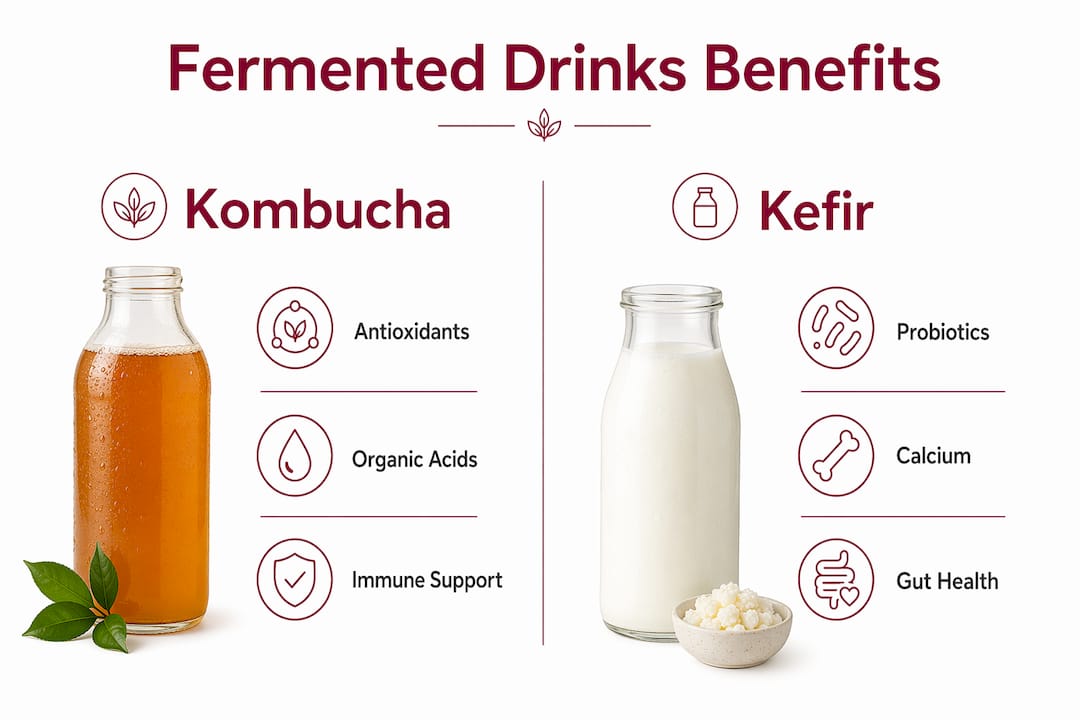
The impact of kombucha on immunity comes largely from its organic acid content and antioxidant compounds, which reduce oxidative stress in the gut lining. Kefir delivers a broader probiotic spectrum than most other fermented drinks, making the benefits of kefir for immune health particularly well-documented in clinical research.
Dairy-based options like kefir provide calcium alongside probiotics, which gives them a nutritional edge over non-dairy alternatives. Non-dairy options like kombucha and kvass suit people who avoid lactose while still delivering valuable probiotics for gut support. The practical takeaway is that microbiome diversity is best maintained by consuming a range of fermented beverages rather than relying on a single type.
How do you safely add fermented drinks to your diet?
Starting fermented drinks the wrong way is the most common reason people quit them. Bloating, gas, and loose stools are not signs the drinks are harmful. They are signs the gut is adjusting. The solution is a gradual introduction, not avoidance.
Follow this sequence for a smooth start:
- Start with one tablespoon daily. Introducing fermented drinks gradually, beginning with one tablespoon per day for the first month, allows the gut microbiome to adapt without triggering discomfort.
- Choose live culture products. Pasteurized fermented products often lack live microorganisms. Look for labels that say “contains live cultures” or “unpasteurized,” and buy from refrigerated sections when possible.
- Drink small amounts consistently. Fermented drinks work best when consumed regularly in small quantities, such as a glass in the morning and one in the evening, rather than a large amount once a week.
- Rotate your choices weekly. Switching between kombucha, kefir, and kvass across the week exposes your gut to a wider range of microbial strains. That variety is what builds the microbiome diversity linked to stronger immune regulation.
- Listen to your body. Mild digestive changes in the first two weeks are normal. Persistent discomfort beyond three weeks warrants a conversation with a healthcare provider.
Pro Tip: If you are new to fermented drinks, start with kefir or a mild kombucha before moving to stronger options like kvass. The flavor intensity often mirrors the microbial potency, and easing in makes the habit stick.
What are the biggest misconceptions about fermented drinks and immunity?
The most persistent myth is that fermented drinks must deliver live bacteria to the colon to be effective. The science says otherwise. Stomach acid kills many bacteria in fermented drinks before they reach the lower gut. Yet the immune benefits remain real because the microbes’ metabolic products, organic acids, peptides, and cell wall fragments, survive the journey and continue to stimulate immune responses.
Several other misconceptions are worth correcting:
- Pasteurized means probiotic-free. Not always. Fermented dairy products can contain active probiotics if those strains are added after heat treatment. The label is the only reliable guide.
- More is better. Drinking large amounts of fermented beverages does not accelerate immune benefits. Consistent small doses outperform occasional large ones every time.
- Fermented drinks are miracle cures. Microbiome diversity is best maintained through a nutrient-rich diet that includes fiber and fermented beverages together, not through any single product alone.
- Transient bacteria do nothing. Research shows that even bacteria passing briefly through the gut exert measurable effects on immune cell activity during that transit window.
The practical implication is clear. Product quality and consistency matter far more than volume or brand claims.
How does gut health shape your immune system?
The gut is the body’s largest immune organ. That is not a metaphor. The gut-associated lymphoid tissue, known as GALT, contains the majority of the body’s immune cells and acts as the primary training ground for immune responses throughout the body.
A diverse gut microbiome teaches immune cells to recognize genuine threats and ignore harmless substances. When microbial diversity drops, that education breaks down. The result is chronic low-grade inflammation, the same condition linked to increased susceptibility to infections, autoimmune conditions, and slower recovery times.
| Gut microbiome state | Immune system effect | Associated health outcome |
|---|---|---|
| High diversity | Balanced immune regulation | Lower inflammation, stronger pathogen defense |
| Low diversity | Overactive or underactive responses | Higher infection risk, inflammatory conditions |
| Disrupted (dysbiosis) | Poor immune cell education | Increased autoimmune and allergy risk |
The gut-brain connection adds another layer. Research links microbiome health to anxiety and depression, conditions that also correlate with weakened immune function. Psychiatrist Gregor Hasler has described the gut microbiome as a second brain, one that communicates bidirectionally with the central nervous system. Supporting your gut with live culture beverages does not just affect digestion. It affects mood, cognition, and immune readiness simultaneously.
Fermented drinks contribute to this system by providing probiotics that support the nutrient-rich environment the microbiome needs to stay stable and diverse.
Key Takeaways
Fermented drinks strengthen immunity by increasing gut microbiome diversity, producing immune-modulating metabolites, and reducing chronic inflammation through consistent, small-dose consumption of live culture beverages.
| Point | Details |
|---|---|
| Gut drives immunity | About 80% of immune function is linked to the gut, making microbiome health non-negotiable. |
| Metabolites matter | Organic acids and short-chain fatty acids from fermented drinks support immune cells even when bacteria are destroyed by stomach acid. |
| Product selection is critical | Choose unpasteurized or properly labeled probiotic drinks to guarantee live culture intake. |
| Consistency beats volume | Small daily amounts of fermented drinks outperform large, infrequent doses for immune support. |
| Variety builds resilience | Rotating between kombucha, kefir, and kvass weekly maximizes microbial diversity and immune regulation. |
Why I stopped treating fermented drinks as a supplement
When I first started drinking kefir and kombucha regularly, I approached them the way most people approach vitamins: take them, wait for results, and move on if nothing obvious happens within a month. That mindset is exactly wrong.
The shift came when I stopped looking for a dramatic immune event and started noticing smaller changes. Fewer afternoon energy crashes. Faster recovery after a cold. Less digestive discomfort after meals I would have previously regretted. None of those changes were dramatic. All of them were real.
What I have found is that product quality separates the people who benefit from those who do not. A pasteurized “probiotic” drink from a convenience store shelf delivers almost nothing useful. A properly refrigerated, unpasteurized kefir or a raw kombucha with visible culture activity is a different product entirely. The label reading habit is the single most underrated skill in this space.
The other thing I would push back on is the idea that you need to drink large quantities. A small glass of kefir in the morning and a kombucha in the afternoon has done more for my gut and immune health than any high-dose probiotic capsule I tried before. Consistency and variety are the actual variables. Everything else is noise.
If you are serious about improving gut health naturally, start with what you will actually drink every day. Flavor matters. Enjoyment matters. A drink you reach for willingly is worth ten you force down once a week.
— Luna
Aboocha’s approach to fermented drinks and immune health
Aboocha builds its kombucha around two principles that most fermented beverage producers skip: low sugar content and genuine flavor variety. Both matter for immune health.
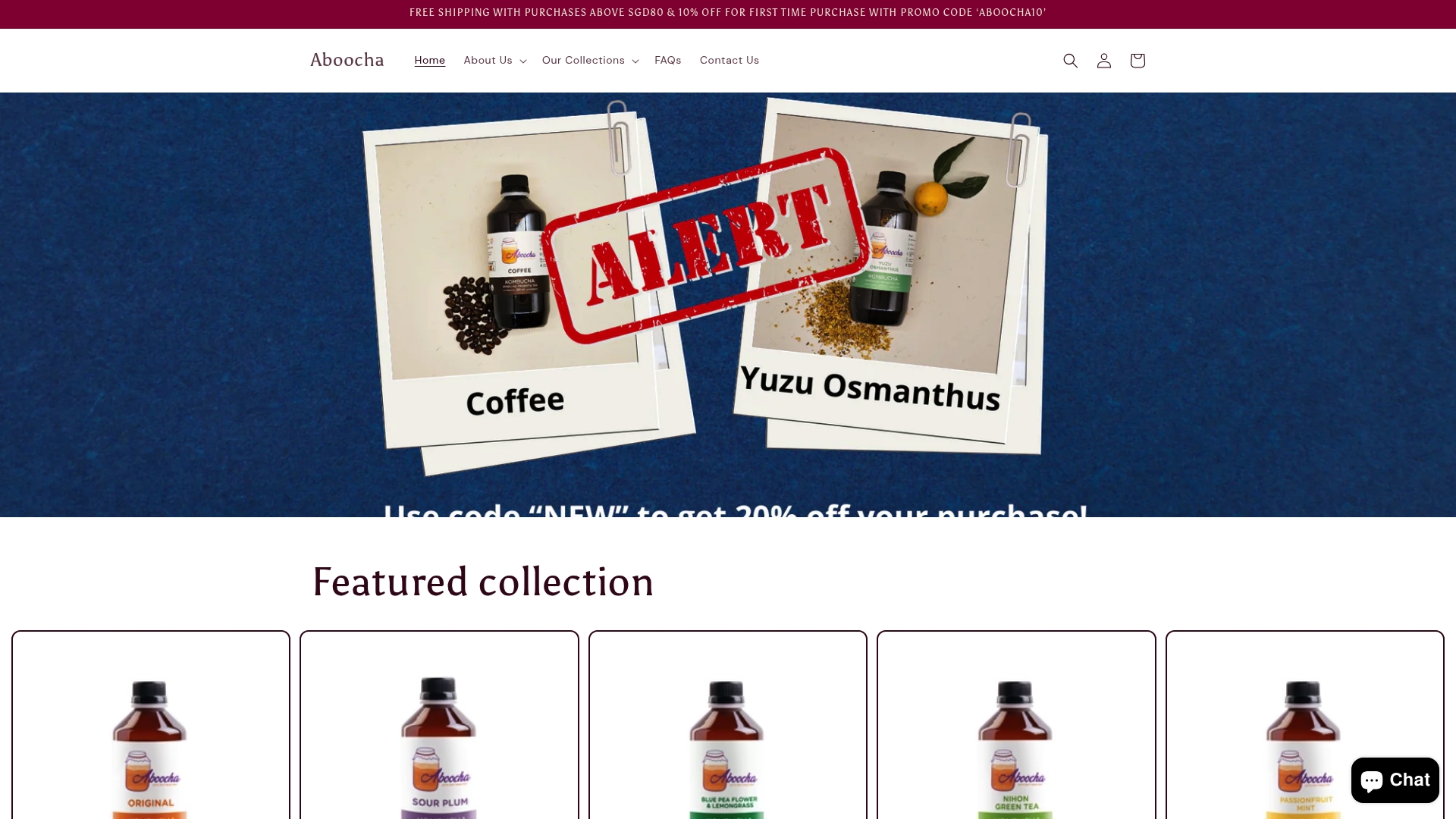
High sugar content in fermented drinks feeds the wrong gut bacteria and undermines the immune benefits you are drinking for in the first place. Aboocha’s formulations keep sugar low while delivering live cultures in flavors like Sour Plum and Yuzu Osmanthus that make daily consumption something to look forward to. Variety in flavor also reflects variety in fermentation profiles, which means broader microbial exposure with every bottle. Subscription plans make consistent intake easy, removing the friction that causes most people to fall off the habit. Explore Aboocha’s kombucha range and find the flavors that fit your daily routine.
FAQ
How do fermented drinks boost immunity?
Fermented drinks introduce probiotics that increase gut microbiome diversity and produce organic acids and short-chain fatty acids that modulate immune cell activity. The gut houses about 80% of the immune system, so improving gut health directly strengthens immune function.
Does stomach acid destroy the probiotics in fermented drinks?
Stomach acid kills many bacteria in fermented drinks, but their metabolic byproducts survive and continue to stimulate immune responses during gut transit. The immune benefit does not depend on live bacteria reaching the colon intact.
Are pasteurized fermented drinks still effective?
Pasteurized fermented drinks often lack live cultures unless probiotics are added after heat treatment. Always check the label for “live cultures” or “probiotic” and prefer refrigerated, unpasteurized products for the strongest immune effect.
How much fermented drink should I consume daily?
Small, consistent amounts work better than large occasional doses. A glass in the morning and one in the evening, rotating between kombucha, kefir, and other fermented beverages weekly, delivers the most consistent immune and gut health support.
What is the best fermented drink for immune health?
No single fermented drink is universally best. Kefir offers the broadest probiotic spectrum and is the most studied for immune benefits, while kombucha provides antioxidants and organic acids that reduce gut inflammation. Rotating between types maximizes the benefit.