
Aboocha is the top pick for gut-health-focused kombucha available to Swiss buyers: low sugar per serving, transparent live-culture labeling, and direct-to-consumer delivery make it the most practical daily option in this market.
TL;DR
- Low sugar, live cultures, Swiss availability. Aboocha’s range keeps sugar minimal, which matters because excess sugar can offset the metabolic benefits of fermented drinks. Live cultures are clearly labeled, and the brand ships direct to Switzerland.
- Best for: Health-conscious adults who want a daily fermented drink without the sugar load of mainstream brands, and who value flavor variety (Sour Plum, Yuzu Osmanthus) over generic ginger-lemon.
- Start small. The FDA commonly recommends limiting kombucha intake to about 4 ounces (approximately 120 ml) daily to prevent side effects. Begin there, watch your tolerance, then increase gradually. Microbes like Weizmannia coagulans have shown up in short-term kombucha trials, but effects vary person to person.
Table of Contents
- What are the best kombucha options for gut health in Switzerland?
- How do you choose the best kombucha for gut health?
- What does the evidence actually say about kombucha and gut health?
- Who should be careful with kombucha?
- How much kombucha should you drink for gut health?
- Why Aboocha ranks as the top pick
- Key Takeaways
- The gap between what kombucha promises and what actually matters
- Aboocha is available in Switzerland with bundles and subscriptions
- Useful sources and further reading
- FAQ
What are the best kombucha options for gut health in Switzerland?
The table below covers Aboocha alongside the three product categories Swiss buyers realistically encounter: mass-market international brands, local artisanal brews, and function-specific fortified kombuchas (think CBD-infused or added-probiotic-strain products).
| Option | Best for | Sugar per serving | Live cultures | Flavor variety | Price & Swiss availability | Organic / quality |
|---|---|---|---|---|---|---|
| Aboocha | Daily low-sugar gut health | Low (clearly labeled) | Raw, live cultures labeled | High: Sour Plum, Yuzu Osmanthus, and more | Online DTC, ships to Switzerland | Transparent ingredients |
| Mainstream international kombucha (Health-Ade, SYNERGY, Brew Dr., Better Booch, Remedy, Humm Kombucha, Koe, Bear’s Fruit, Fermensch) | Convenience, familiar flavors | Variable, often higher | Variable; some pasteurized | Moderate | Supermarkets, Coop, Migros, online | Varies by brand |
| Local/artisanal Swiss kombucha | Microbial diversity, regional character | Variable | Often raw, batch-variable | Moderate to high | Health stores, farmers markets, specialty shops | Often high, small-batch |
| Function-specific fortified kombucha (Hip Pop CBD kombucha, Momo raspberry hibiscus, No. 1 Living Ginger, HOLOS Citra Hops, JARR passion fruit, Equinox Pink Grapefruit & Guava, Left Field Sencha Green, Real Kombucha Dry Dragon, Real Kombucha Royal Flush, Blighty Booch Organic Ginger, L.A Brewery Sparkling English Blush, You + I Kombucha Original, L.A Brewery Sparkling White Rose) | Targeted functional goals (calm, energy, digestion) | Variable | Variable; claims inconsistent | High, niche-driven | Specialty health retailers, online import | Varies; lab verification inconsistent |
Where Swiss buyers typically find each category:
- Local/artisanal Swiss kombucha: — Bio-specialty stores, farmers markets, and regional health food shops across Swiss cities.
Price range in Switzerland: Mainstream brands typically run CHF 3–6 per bottle. Artisanal Swiss brews and function-specific options often land between CHF 5–9. Aboocha’s bundle and subscription pricing offers a per-bottle cost that competes with mid-range artisanal options while adding the convenience of home delivery.
How do you choose the best kombucha for gut health?
Most kombucha bottles look similar on the shelf. The differences that actually matter for gut health come down to five things:
- Sugar per serving. Check the nutrition label for grams of sugar per 250 ml. Choosing low-sugar kombucha reduces the risk that added sugars cancel out the fermentation benefits. Aim for under 6 g per serving as a practical benchmark.
- Live cultures and raw vs. pasteurized. Pasteurized kombucha is safer but contains fewer live organisms. Raw kombucha retains live cultures but demands tight pH control. Look for labels that say “raw,” “unpasteurized,” or “contains live cultures” rather than vague “probiotic” claims. Not all kombucha contains lactic acid bacteria, so explicit labeling is the only reliable signal.
- Ingredient transparency. A short, readable ingredient list (tea, water, sugar, starter culture) is a good sign. Long lists with added flavors, preservatives, or undisclosed “natural flavors” make it harder to know what you’re actually drinking.
- Added functional ingredients. Some brands add specific probiotic strains, adaptogens, or CBD. These can be useful, but verify whether claims are backed by third-party lab analysis. Marketing language like “gut-healing” or “immune-boosting” is not a substitute for a certificate of analysis.
- Organic certification. Organic tea and sugar reduce pesticide exposure in the fermentation substrate. Not every quality brand is certified organic, but it’s a useful tiebreaker when two products are otherwise similar.
Pro Tip: Rotating kombucha flavors and brands is a practical way to increase the variety of microbial inputs you get from fermented foods. Eating a diversity of fermented foods correlates with greater gut microbial richness, so don’t drink the same SKU every single day.
On price versus value: a CHF 4 bottle of low-sugar, clearly labeled raw kombucha beats a CHF 2 pasteurized, high-sugar option every time for gut health purposes. The cheapest option is rarely the best-value one here.

What does the evidence actually say about kombucha and gut health?
Kombucha can shift gut microbial composition in some people, but strong, consistent clinical outcomes remain limited. That’s the honest summary, and it’s worth understanding why before you build expectations around a daily habit.
A four-week randomized controlled trial published in Scientific Reports found modest changes in microbiota composition among participants who drank kombucha, but no broad changes in inflammation markers in healthy adults. A separate fiber-modified kombucha RCT showed significant effects on triglyceride levels (p-value = 0.031) in the study group, suggesting that formulation matters as much as the base beverage. These are promising signals, not proof of a cure.
“Kombucha tea is not a proven treatment for any health condition.” Mayo Clinic
Systematic reviews note high variability between products and limited large-scale human trials. The microbial community in any given bottle depends on tea type, sugar amount, starter culture, fermentation temperature, and time. That means a brand’s product can vary batch to batch, and what worked in one study may not reflect what’s in the bottle you buy at Coop.
Some kombucha-associated microbes, including Weizmannia coagulans (formerly Bacillus coagulans), have shown transient increases in consumers’ microbiomes after short-term trials. Whether that translates to lasting health outcomes in healthy adults is still unclear.
The practical takeaway: treat kombucha as a fermented beverage that contributes to microbial diversity, not as a replacement for targeted probiotic supplements. For a direct comparison of what kombucha and probiotic supplements each do, the difference is meaningful. Understanding which gut bacteria benefit most from fermented foods can help you set realistic expectations.
Who should be careful with kombucha?
Kombucha is safe for most healthy adults in moderate portions. For several groups, though, the risks outweigh the benefits.
Avoid kombucha entirely if you are:
- Pregnant or breastfeeding (small alcohol content from fermentation, contamination risk)
- Immunocompromised (live organisms in raw kombucha can pose infection risk)
- Managing a condition that requires strict sugar control
Common side effects to watch for:
- Bloating and gas, especially when starting out, due to carbonation and fermentable carbohydrates
- Tooth erosion from acidity: kombucha’s pH typically falls between 2.5 and 4.2, which is comparable to fruit juice
- Rare cases of metabolic acidosis have been reported with excessive consumption
- Extra calories and sugar if you’re drinking high-sugar commercial varieties in large amounts
Pro Tip: Drink kombucha through a straw and rinse your mouth with plain water afterward to reduce acid contact with tooth enamel. It’s a small habit that adds up over months of daily drinking.
Homemade kombucha carries a higher contamination risk than commercially produced versions. Without strict pH monitoring (target ≤4.2) and sanitation controls, harmful bacteria and mold can grow. Regulated commercial production significantly reduces this risk, which is one reason choosing a reputable brand matters more than it might seem.
For families wondering about younger drinkers, the safety picture shifts further. The guidance on kombucha for teens is worth reading before making it a household staple.
How much kombucha should you drink for gut health?
Start with a small daily portion and increase gradually based on your digestion tolerance. Monitor how your digestion responds over the first week before increasing.
| Portion | Likely effect | Notes |
|---|---|---|
| 30–60 ml | Tasting / minimal risk | Good for first-time drinkers or sensitive stomachs |
| Up to 120 ml | Regular daily portion (FDA guidance) | Watch sugar intake; stay within low-sugar options |
| Over 120 ml daily | Higher risk of side effects | Acidity, sugar load, and bloating risk increase |
Practical ways to include kombucha in your diet:
- Morning: Replace your second coffee with a 120 ml pour of kombucha. The mild acidity can support digestion before a meal without the caffeine spike.
- Pre-meal sipper: 60–120 ml about 15 minutes before lunch may help prime digestive activity.
- Mocktail base: Mix kombucha with sparkling water and a squeeze of citrus. Avoid high-sugar mixers, which defeat the low-sugar purpose.
- Smoothie addition: A small splash (30–60 ml) adds a fermented note without dominating the flavor.
For people with IBS or who follow a low-FODMAP diet: carbonation and fermentable carbohydrates in kombucha can trigger symptoms. Start at the lower end of the range (30–60 ml) and increase only if you tolerate it well. Some people with IBS find kombucha helpful; others find it aggravates symptoms. Individual response is the only reliable guide. For daily habits that support gut bacteria more broadly, feeding beneficial gut bacteria through varied fermented foods and fiber is the bigger lever.
Why Aboocha ranks as the top pick
Aboocha ranks first because of its low-sugar formulas, transparent ingredient labeling, and evidence-oriented product development, not because it’s the publisher.
The assessment behind this recommendation used four criteria: sugar grams per serving, live-culture claims and labeling clarity, flavor variety (which supports microbial rotation), and practical availability for Swiss buyers. Aboocha performs well on all four.
Proof points:
- Low sugar: Aboocha’s formulas are built around minimizing sugar per serving, which directly supports gut and metabolic health by preventing added sugars from offsetting fermentation benefits.
- Flavor diversity: — Sour Plum, Yuzu Osmanthus, and other Asian-inspired profiles give daily drinkers genuine rotation options, which matters for microbial diversity.
- Commercial production standards: Regulated commercial brewing reduces contamination risk compared with homemade or unverified artisanal products.
Representative nutrition snapshot (Aboocha, per 250 ml serving):
| Nutrient | Amount |
|---|---|
| Sugar | Low (see label for exact grams per SKU) |
| Calories | Low |
| Live cultures | Present (raw, unpasteurized) |
| Alcohol | Trace (standard fermentation) |
Methodology note: This article assessed kombucha options against four criteria relevant to gut health: sugar per serving, live-culture labeling, flavor variety for microbial rotation, and practical availability in Switzerland. Clinical evidence was drawn from peer-reviewed trials and systematic reviews. Luna, a writer at Aboocha, authored this piece with the goal of giving Swiss buyers an honest, evidence-grounded shortlist.
Key Takeaways
Low-sugar, live-culture kombucha consumed in moderate daily portions is the most practical way to add fermented beverage benefits to your diet, with Aboocha offering the clearest combination of those qualities for Swiss buyers.
| Point | Details |
|---|---|
| Start small | Begin with up to 120 ml daily and increase only if your digestion tolerates it well. |
| Prioritize low sugar | Choose kombucha with minimal added sugar per serving to avoid negating gut health benefits. |
| Live cultures matter | Look for “raw” or “unpasteurized” labeling; not all kombucha contains active lactic acid bacteria. |
| Safety caveats apply | Pregnant, breastfeeding, and immunocompromised individuals should avoid kombucha entirely. |
| Aboocha for Swiss buyers | Aboocha ships direct to Switzerland with low-sugar, clearly labeled, flavor-diverse options and bundle subscriptions. |
The gap between what kombucha promises and what actually matters
Most kombucha marketing leans hard on the word “probiotic.” That word carries real weight in clinical nutrition, where it refers to specific, well-characterized strains at defined doses with documented health outcomes. Kombucha, even good kombucha, rarely meets that bar. The microbial community in a bottle is variable, the strains aren’t standardized, and the counts aren’t guaranteed to survive your stomach acid in meaningful numbers.
None of that means kombucha is useless. It means the honest case for it is different from the marketing case. Kombucha is a fermented beverage that contributes to dietary microbial variety, delivers organic acids, and replaces worse options like soda or sweetened juice. Those are real benefits. The benefits of switching from soda to kombucha are genuine, even if they’re not the dramatic gut transformation some brands imply.
What actually matters when choosing a kombucha for gut health is sugar content, live-culture transparency, and whether you’ll drink it consistently. A bottle you enjoy and reach for daily beats a technically superior product you find unpleasant and skip. Aboocha’s flavor range exists precisely because consistency requires enjoyment. That’s not a marketing line; it’s how dietary habits actually form.
The evidence also points to one underappreciated variable: rotation. Eating a diversity of fermented foods correlates with gut microbial richness. A single brand drunk identically every day is better than no fermented food, but rotating flavors and occasionally trying artisanal Swiss options adds a broader microbial input. Build the habit first, then vary it.
Aboocha is available in Switzerland with bundles and subscriptions
If you’ve read this far and want to act on it, the simplest next step is trying a bundle rather than a single bottle. Bundles let you rotate flavors from day one, which is exactly what the microbial diversity evidence supports.
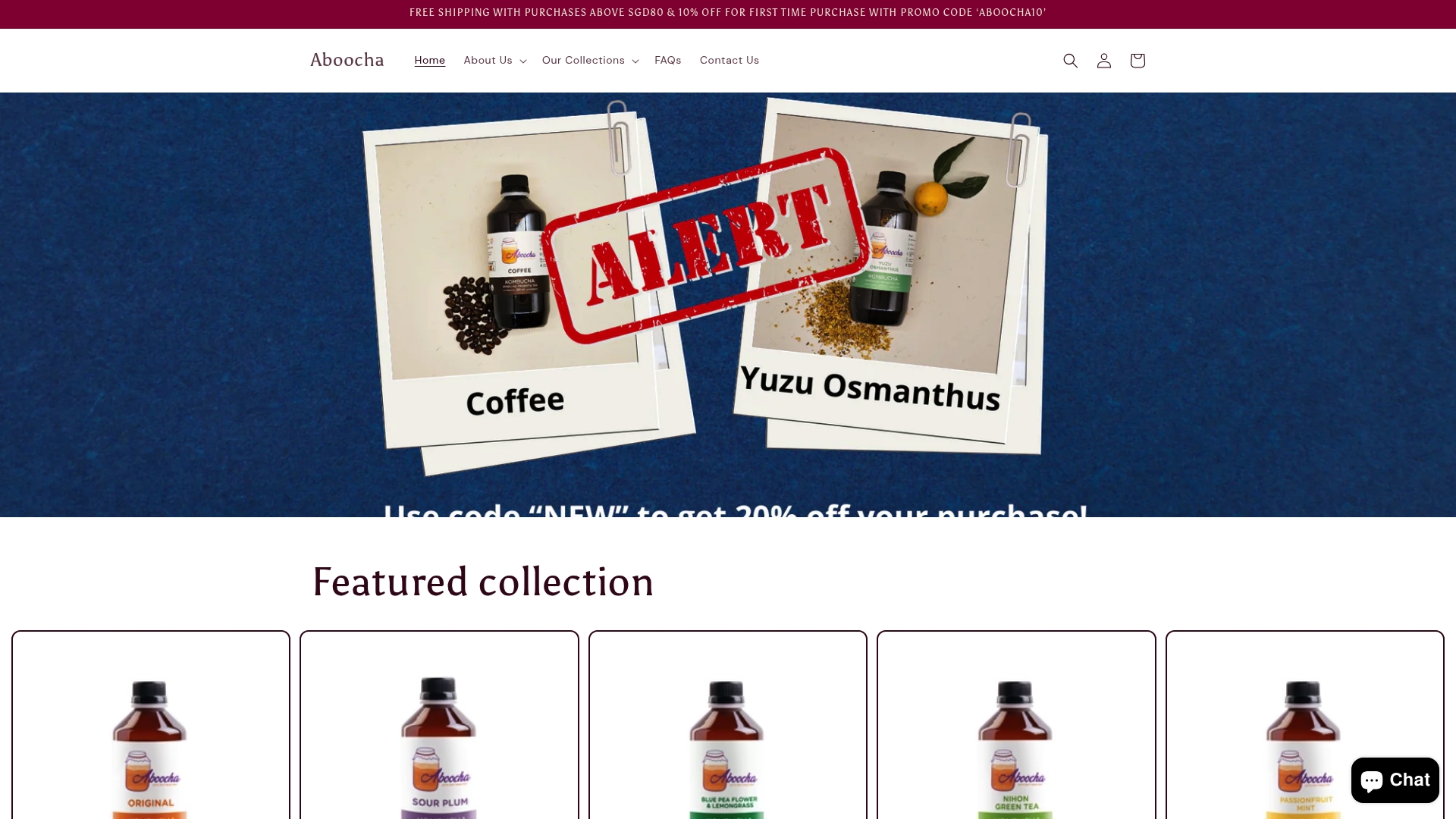
Aboocha’s bundle collection ships direct to Switzerland and includes flavor sets that cover the full range: from Sour Plum to Yuzu Osmanthus. Subscription options are available for buyers who want a regular delivery without reordering manually each time. For offices or corporate pantry setups, bulk ordering is also an option.
Low sugar. Live cultures. Delivered to your door in Switzerland. Browse the current bundles and pick a starting set that fits your flavor preferences.
Useful sources and further reading
The sources below back the clinical and safety claims in this article. Swiss-specific guidance is limited at the national level; international clinical sources are broadly applicable.
- Modulating the human gut microbiome through kombucha consumption: a controlled clinical study — Scientific Reports — Four-week RCT; primary evidence for modest microbiome changes.
- Effect of fiber-modified kombucha tea on gut microbiota — PMC / Nutrients — RCT showing significant triglyceride effects (p = 0.031) with fiber-enriched kombucha.
- Health effects and probiotic and prebiotic potential of kombucha — ScienceDirect — Systematic review; covers microbial variability and LAB presence.
- Kombucha tea: Does it have health benefits? — Mayo Clinic — General clinical guidance; tempered claims.
- Kombucha: What Is It and 7 Benefits — Cleveland Clinic — Safety guidance, commercial vs. homemade risk, vulnerable groups.
- Kombucha side effects and how to consume it safely — Medical News Today — pH range, FDA portion guidance, tooth erosion, metabolic risks.
- Kombucha side effects — Healthline — Carbonation, FODMAPs, and digestive discomfort on starting out.
- Fermented foods and gut microbial richness — PubMed — Supports the rotation and diversity recommendation.
- The Do’s and Don’ts of Kombucha — Kendall Reagan Nutrition Center, Colorado State University — Practical consumer guidance from a university nutrition center.
FAQ
Is drinking kombucha every day good for gut health?
For most healthy adults, a daily portion of up to 120 ml of low-sugar, live-culture kombucha can contribute to dietary microbial variety. Clinical trials show modest microbiome changes, but effects vary by individual and product.
What is the downside of kombucha?
Kombucha’s acidity (pH 2.5–4.2) can erode tooth enamel with regular consumption, and high-sugar varieties add calories that may offset gut health benefits. Bloating and gas are common when starting out, and homemade versions carry contamination risks.
Is yogurt or kombucha better for gut health?
Yogurt typically delivers higher, more consistent counts of well-characterized probiotic strains (such as Lactobacillus species) than kombucha, whose microbial content varies by batch and brand. Both contribute to dietary microbial diversity; they work better together than as substitutes.
Does kombucha lower cortisol?
No strong clinical evidence supports a direct cortisol-lowering effect from kombucha in humans. Some animal studies have explored fermented foods and stress hormones, but no peer-reviewed human trials confirm this effect specifically for kombucha.
Can Aboocha kombucha be shipped to Switzerland?
Yes. Aboocha ships direct to Switzerland through its online store, with bundle and subscription options that make regular delivery straightforward for Swiss buyers.