
If you’re done with the sugar crash that follows most energy drinks, a ready-to-drink, low-sugar kombucha is the most practical swap available in Switzerland right now. Aboocha, a direct-to-consumer kombucha brand, delivers bottles with lower residual sugar and fermentation-derived organic acids that may support digestion — without synthetic stimulants or artificial sweeteners.
Here’s why it works as a replacement:
- Lower sugar. Swiss federal data show energy drinks have significantly higher sugar content per 100 ml compared to fermented beverages, which contain notably less sugar.
- No synthetic stimulants. Kombucha’s natural carbonation and organic acids give a mild lift without taurine, synthetic caffeine, or artificial colors.
- Digestive support. Fermentation produces lactic and acetic acids, plus live cultures, that may influence gut motility.
Table of Contents
- What is kombucha and how does it support digestion?
- What does the science actually say about kombucha?
- How does kombucha compare to energy drinks?
- What should you look for when buying kombucha in Switzerland?
- Who should be cautious about drinking kombucha?
- How to replace energy drinks with kombucha step by step
- Where to buy kombucha in Switzerland and why Aboocha fits
- Key Takeaways
- The case for switching, honestly stated
- Try Aboocha in Switzerland
- Useful sources
- FAQ
What is kombucha and how does it support digestion?
Kombucha is fermented tea. A SCOBY (symbiotic culture of bacteria and yeast) consumes most of the sugar added during brewing and produces a range of compounds in the process. The result is a lightly fizzy drink with a tart flavor and a profile very different from what you started with.
The fermentation-derived compounds most relevant to digestion include glucuronic acid, lactic acid, acetic acid, gluconic acid, B vitamins, and CO2. Lactic acid in particular is associated with gut motility support, while glucuronic acid is linked to detoxification pathways. Live microbial cultures present in unpasteurized kombucha may also modulate the gut microbiome, though the degree of effect depends heavily on the specific strain and the volume consumed.
Fermentation vs. stimulation: Kombucha does not replace caffeine’s neurological alertness effect. What it offers instead is a low-sugar, acid-rich drink that may ease digestion and reduce the blood sugar spike associated with conventional energy drinks. These are different jobs, and it helps to be clear about that before you make the switch.
Plausible mechanisms exist, but clinical evidence is limited. The next section covers exactly what the research does and does not show.
What does the science actually say about kombucha?
The honest answer: promising, but not proven. A systematic review of eight clinical trials found that kombucha can modestly alleviate some gastrointestinal symptoms and produce small shifts in microbiota composition. Trial durations ranged from 10 days to 10 weeks. Metabolic outcomes were inconsistent across studies.
The VLB Berlin review by Pfeiffer also flags rare but real historical case reports: occasional metabolic acidosis and liver reactions, mostly in people who consumed very large quantities or had underlying conditions. These are not common outcomes, but they are worth knowing.
The practical implication: kombucha is a reasonable digestive-support beverage for most healthy adults. It is not a clinically validated treatment for any condition.
How does kombucha compare to energy drinks?
The core difference comes down to three things: sugar, stimulants, and what happens to your gut afterward.
| Attribute | Energy drinks | Low-sugar kombucha |
|---|---|---|
| Sugar per 100 ml | Energy drinks ≈ 11 g per 100 ml (Swiss median) | Fermented beverages ≈ 4.9 g per 100 ml (Swiss median) |
| Caffeine source | Synthetic or concentrated | Trace natural (from tea base) |
| Synthetic stimulants | Taurine, artificial colors common | None |
| Digestive effect | Neutral to negative (high sugar) | Potentially supportive (organic acids) |
| Carbonation type | Added CO2 | Fermentation-derived CO2 |
Kombucha is not a like-for-like stimulant replacement. If you rely on energy drinks for a sharp caffeine hit, you will notice the difference. What kombucha does offer is a lower-sugar, fermented alternative to sodas that supports digestion rather than stressing it. For many people, pairing a small cup of coffee with a 150 ml kombucha covers both needs without the synthetic load.
Pro Tip: Check the nutrition panel for both “total sugars” and “of which added sugars.” Some brands list a low total sugar figure but add fruit juice concentrate post-fermentation, which raises the glycemic load without changing the headline number.
What should you look for when buying kombucha in Switzerland?
Swiss public-health discussions increasingly include fermented beverages in gut-health strategies, and the local market has grown to match. That means more options and more label noise. Here’s what to check:
- Sugar per 100 ml: Target under 5 g. The Swiss federal benchmark for fermented beverages is low; beverages with sugar content above typical fermented drink levels approach those of soft drinks.
- Alcohol percentage: Fermentation produces trace alcohol. Most commercial kombuchas sit below 0.5% ABV, but check the label. Some craft versions exceed 1%.
- Live vs. pasteurized: Pasteurized kombucha has a longer shelf life but fewer or no live cultures. If gut microbiome support is your goal, look for “live cultures” or “unpasteurized” on the label.
- Ingredient order: Ingredients are listed by weight. If fruit juice concentrate or cane sugar appears in the first three ingredients, the product is closer to a juice than a fermented drink.
- Added sweeteners: Stevia and erythritol are common in low-sugar versions. Both are generally well tolerated, but check if you are sensitive.
- Best-before vs. bottling date: A bottling date tells you more about live culture viability than a best-before date alone.
Many commercial kombuchas add fruit juice or sweeteners after fermentation to standardize flavor, which can push residual sugar well above what the fermentation process alone would produce. Aboocha’s low-sugar label-reading guide walks you through exactly what to look for on Swiss and EU-format panels.
Pro Tip: Flip the bottle and read the ingredient list before the front label. Front-of-pack claims like “natural” or “gut health” are marketing; the ingredient list is fact.
Who should be cautious about drinking kombucha?
Most healthy adults tolerate moderate kombucha consumption without issue. A few groups should check with a clinician first.
Check with your doctor if you are: pregnant, breastfeeding, immunocompromised, managing diabetes, or taking immunosuppressant medications. Kombucha contains live microorganisms and trace alcohol, both of which carry specific risks in these contexts.
Common starter effects include mild bloating, increased bowel movements, and occasional skin reactions. These typically resolve within a week. The practical fix is simple: start with 100–150 ml per day and increase gradually over two weeks.
Alcohol content is worth a separate note. Most ready-to-drink kombuchas stay below 0.5% ABV, but some craft or naturally fermented versions can reach 1–2%. If you are avoiding alcohol for any reason, check the label explicitly rather than assuming.
If you experience persistent digestive discomfort, dizziness, or any unusual symptoms, stop and consult a clinician.
How to replace energy drinks with kombucha step by step
A two-week phased approach works well for most people.
- Days 1–3 (partial swap): Replace one energy drink per day with 150 ml of kombucha. Keep your usual caffeine source for the rest of the day. This lets your gut adapt without a sudden shift.
- Days 4–10 (full swap): Replace all energy drinks with kombucha. Drink 150–250 ml per serving, ideally with or shortly after a meal for best digestive effect.
- Days 11–14 (maintenance): Settle into a routine. One to two servings per day is a reasonable maintenance dose for most adults.
- If you still need caffeine: A small coffee or green tea alongside kombucha covers the alertness need without synthetic stimulants. This is a cleaner stack than most energy drinks.
- Track your response: Note energy levels, digestion, and sleep quality. Most people report stable energy without the afternoon crash within 10–14 days.
Store kombucha refrigerated and avoid shaking the bottle before opening. Serve cold (4–8°C) to preserve carbonation and flavor.
Pro Tip: Drink your first kombucha of the day before or with breakfast. The organic acids prime digestive enzyme activity and reduce the likelihood of the mid-morning energy dip that usually sends people reaching for a second energy drink.
Where to buy kombucha in Switzerland and why Aboocha fits
Kombucha is available in Swiss health-food retailers, specialty grocers, and online. For consistent low-sugar options with clear labeling, direct-to-consumer ordering is often the most reliable route.
Aboocha ships ready-to-drink kombucha directly to Swiss customers, with individual bottles, flavor sets, and a recurring subscription. Key features relevant to this article’s audience:
- Lower residual sugar per bottle, with transparent nutrition labeling
- Live cultures in unpasteurized formulations
- Flavor variety including Sour Plum and Yuzu Osmanthus, designed for adults who find plain kombucha too sharp
- Subscription delivery with flexible cadence, so you never run out mid-week
- No long-term contract: pause or cancel at any time
Aboocha’s naturally fizzy drinks guide is one of the more practical resources available in English for Swiss buyers navigating the fermented beverage market.
For readers who want to compare fermented and carbonated options side by side before committing, the carbonated drink alternatives guide offers a useful category overview.
Key Takeaways
Low-sugar, ready-to-drink kombucha is a practical healthy alternative to energy drinks for digestion-focused adults in Switzerland, with Swiss federal data showing fermented beverages have significantly lower sugar content compared to energy drinks.
| Point | Details |
|---|---|
| Sugar benchmark | Target under 5 g per 100 ml; Swiss federal data show fermented beverages average about 4.9 g sugar per 100 ml, while energy drinks are around 11 g per 100 ml. |
| Start small | Begin with 100–150 ml per day and increase over two weeks to let your gut adapt. |
| Check the label | Look for live cultures, alcohol %, and ingredient order — not just front-of-pack claims. |
| Safety first | Pregnant, immunocompromised, or diabetic? Consult a clinician before adding kombucha regularly. |
| Try Aboocha | Aboocha offers low-sugar, live-culture kombucha with subscription delivery to Switzerland. |
The case for switching, honestly stated
The energy drink industry has spent decades selling the idea that alertness requires synthetic stimulants and a lot of sugar. Kombucha doesn’t beat that on pure caffeine delivery, and anyone who tells you otherwise is overselling it. What it does do, for most people who make the switch thoughtfully, is remove the blood sugar rollercoaster and replace it with something that actually supports the gut rather than stressing it.
The clinical evidence is real but modest. Andreas Pfeiffer’s caution at VLB Berlin is worth taking seriously: we don’t yet have large, well-designed trials that nail down dose-response relationships. That said, the risk profile for a healthy adult drinking 150–250 ml of low-sugar kombucha daily is low, and the practical upside, especially for digestion, is worth a two-week trial.
My honest recommendation: start with one bottle, drink it with breakfast for a week, and pay attention to how your gut responds. Your body will tell you more than any study can about whether this particular swap works for you.
Try Aboocha in Switzerland
Aboocha is the direct answer for Swiss buyers who want a low-sugar, ready-to-drink kombucha without hunting through health-food store shelves for a label that actually checks out. You get live cultures, transparent nutrition panels, and flavors built for adults who want something interesting to drink, not just something functional.
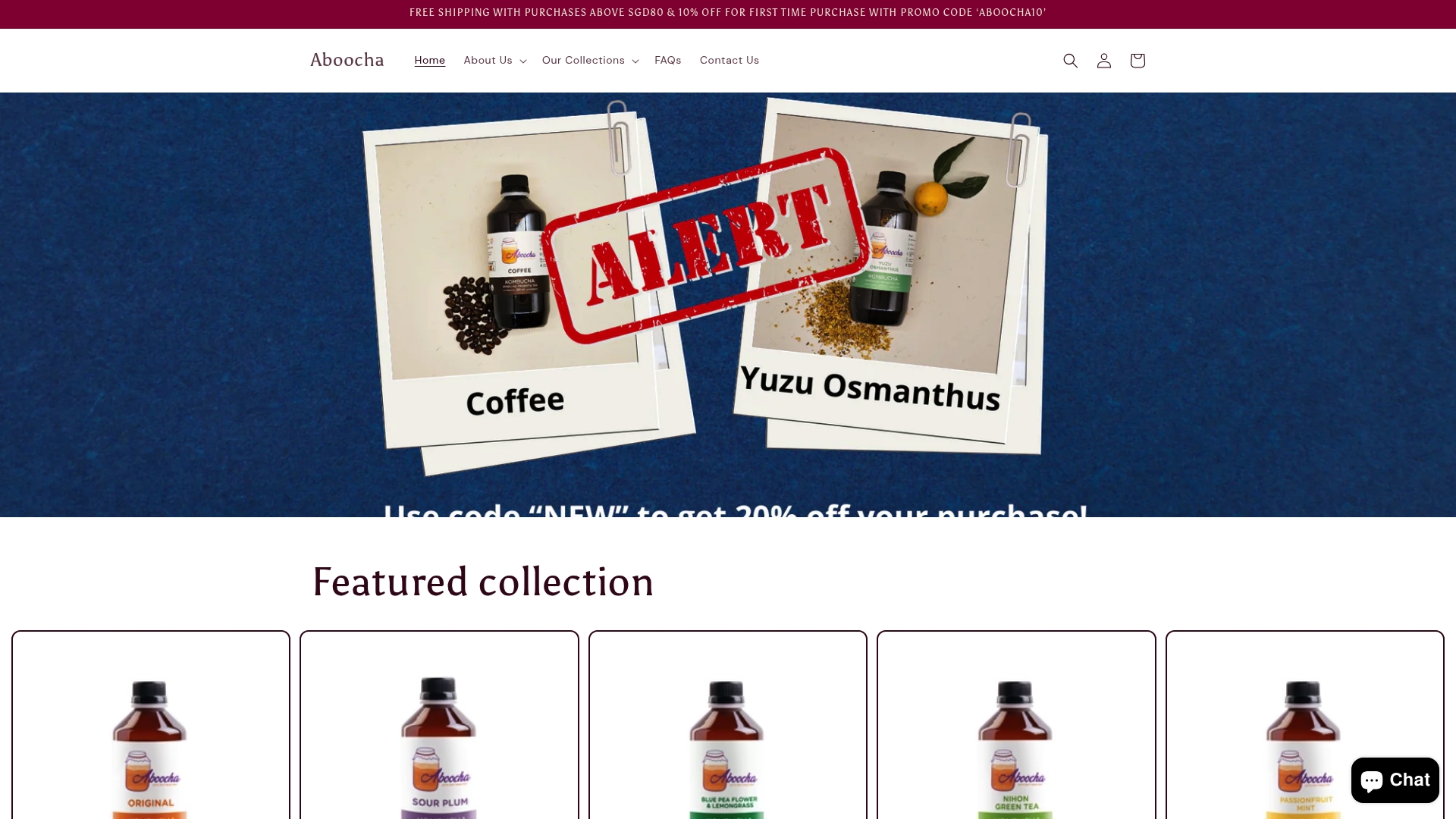
Order a single flavor set to start, or sign up for a subscription and choose your delivery cadence. Subscriptions are flexible: pause or cancel whenever you like, no questions asked. Even on a one-off order, the label tells you exactly what’s in the bottle, including residual sugar and alcohol percentage.
Order your first Aboocha and see how a two-week swap from energy drinks actually feels.
Useful sources
The claims in this article draw from the following primary sources:
- Swiss Federal Office for Food Safety and Veterinary Affairs (BLV): Sweetened Beverages Survey 2021 — the most useful Swiss source for sugar comparisons across beverage categories.
- Pfeiffer, A. (VLB Berlin): Ernährungsphysiologische Aspekte saurer Gärgetränke — the most authoritative expert review for clinical caution and safety case reports.
- Systematic review: Benefits of Kombucha Consumption (Fermentation, 2025) — eight clinical trials; the primary citation for evidence on GI symptoms and microbiota.
- Soyana: Wissenschaftliche Hintergrundinformationen zu Kombucha — Swiss-published background on fermentation-derived compounds.
- Tages-Anzeiger: Gesunder Darm dank Kombucha und Co. — Swiss media context for fermented beverages in gut-health discussions.
- Aboocha blog: Best low-sugar fermented beverage options for gut health — practical label-reading guide for Swiss buyers.
- Aboocha blog: Fermented drinks and gut health benefits explained — deeper reading on mechanisms for readers who want more detail.
FAQ
What is the best healthy alternative to energy drinks?
A low-sugar, ready-to-drink kombucha is the most practical swap for digestion-focused adults. Swiss federal data show fermented beverages have notably lower sugar content per 100 ml compared to energy drinks.
Does kombucha give you energy like an energy drink does?
No. Kombucha contains trace natural caffeine from its tea base but no synthetic stimulants. It supports digestion and avoids blood sugar spikes rather than delivering a caffeine-driven alertness effect.
How much kombucha should you drink per day?
Start with 100–150 ml daily for the first week, then increase to 150–250 ml per serving as your gut adapts. Most adults do well with one to two servings per day.
Is kombucha safe for teenagers?
Most healthy teens can tolerate small amounts, but the trace alcohol content (typically below 0.5% ABV) and live cultures mean parents should check with a pediatrician first, especially for younger teens or those with any health conditions.
Where can you buy low-sugar kombucha in Switzerland?
Health-food retailers and specialty grocers carry kombucha, but for consistent low-sugar, live-culture options with clear labeling, Aboocha ships directly to Swiss customers with individual bottles, flavor sets, and flexible subscriptions.