
Live culture beverages are drinks that contain living beneficial bacteria and yeasts capable of supporting gut health when consumed in adequate amounts. The industry term for these microorganisms is probiotics, defined by the World Health Organization as “live microorganisms that, when administered in adequate amounts, confer a health benefit on the host.” Most live culture drinks deliver these microbes through fermentation, a process where bacteria and yeasts convert sugars into acids, gases, and alcohols. Industry standards recommend a daily intake of 10^6 to 10^7 CFU per milliliter to support gut health, though exceeding that threshold can cause bloating in some people. Common microbial species found in these beverages include Lactobacillus, Bifidobacterium, and Saccharomyces, each with distinct effects on digestion and immunity.
What are live culture beverages and how are they made?
Live culture beverages are produced through fermentation, where microorganisms metabolize sugars and transform a base liquid into a probiotic-rich drink. The process is ancient. Cultures across Asia, Eastern Europe, and the Middle East have fermented beverages for thousands of years, long before the science of microbiology existed to explain why they worked.
The most widely consumed live culture drinks fall into several clear categories:
- Kombucha: A fermented tea made with a SCOBY (symbiotic culture of bacteria and yeast). It contains organic acids, B vitamins, and live microbes including Acetobacter and Gluconobacter species.
- Milk kefir: A fermented dairy drink with exceptional microbial diversity. Milk kefir contains 10 to 50 or more distinct probiotic strains per serving, far more than most commercial yogurts.
- Water kefir: A non-dairy alternative fermented with water kefir grains. It suits people who avoid lactose and still delivers a range of lactic acid bacteria.
- Drinkable yogurt: A thinned, pourable yogurt that retains live cultures if not heat-treated after fermentation.
- Buttermilk: Traditional cultured buttermilk contains Lactococcus lactis and Leuconostoc species. Most commercial versions are authentic; some shelf-stable versions are not.
- Probiotic sodas: A newer category where isolated strains are added post-production rather than grown through fermentation. These often lack the complex microbial communities found in traditionally fermented drinks.
One distinction matters more than most labels suggest. A drink can be fermented without containing live cultures at the point of consumption. Pasteurization and fine filtration, both common in commercial production, kill live microbes to extend shelf life. “Naturally fermented” on a label does not guarantee that living organisms survive to reach your gut.
What health benefits do live culture beverages provide?

Probiotics support gut health through four main mechanisms: maintaining microbial balance, producing beneficial compounds, strengthening the intestinal barrier, and modulating immune responses. Each mechanism is distinct, and not every strain performs all four.

The clinical evidence is strongest for specific strains at specific doses. Saccharomyces boulardii and Lactobacillus rhamnosus GG, for example, reduce acute diarrhea duration by approximately one day in children with infectious diarrhea. That result sounds modest, but in clinical terms, a one-day reduction in a condition that causes dehydration and hospitalization is meaningful.
Fermentation also improves the nutritional value of the base beverage itself. The fermentation process breaks down complex compounds, increasing the bioavailability of B vitamins and minerals like magnesium and zinc. This means you absorb more nutrients from a fermented drink than from the same ingredients in unfermented form.
The critical nuance: Benefits are strain-specific and dose-dependent. A beverage labeled “contains live cultures” without naming the strain and quantity offers no guarantee of clinical effect. Generic live culture claims are marketing language, not medical evidence.
Pro Tip: Look for beverages that name the specific strain on the label, such as “Lactobacillus rhamnosus GG” rather than just “live active cultures.” Named strains signal that the manufacturer has invested in strain identification and quality control.
Side effects are generally mild. Some people experience temporary bloating or gas when first introducing live culture drinks, particularly at higher doses. Starting with a small serving and increasing gradually reduces this risk.
How do live cultures work inside your gut?
Live cultures do not permanently colonize the gut in most cases. The more accurate picture is that they pass through the digestive tract and interact with the existing microbial community during transit. Those interactions, brief as they are, can shift the balance of the microbiome in meaningful ways.
Four factors determine how effective that transit will be:
- Strain viability at consumption. Microbes must survive production, storage, and the acidic environment of the stomach to reach the intestine alive. Refrigerated, minimally processed beverages preserve viability far better than shelf-stable products.
- Host microbiome composition. The existing gut environment shapes how incoming microbes behave. A microbiome already disrupted by antibiotics or poor diet responds differently than a healthy, diverse one.
- Prebiotic fiber intake. Diet and gut microbiota directly modulate probiotic effectiveness. Prebiotic fibers found in foods like garlic, onions, oats, and bananas act as fuel for probiotic bacteria, helping them survive and exert their effects.
- Dose and frequency. A single serving of a live culture beverage produces a transient effect. Consistent daily consumption builds a more sustained interaction with the gut environment.
The distinction between “live dietary microbes” and “clinically validated probiotics” matters here. Many fermented foods and drinks contain live microbes that are beneficial in a general dietary sense. Clinically validated probiotics are specific strains tested in controlled trials at defined doses. Both have value, but they are not interchangeable claims.
Processing is the silent variable most people overlook. Pasteurization, fine filtration, and chemical stabilization methods commonly kill live microbes in commercial beverages. A drink that was fermented at the factory may contain zero viable organisms by the time it reaches your refrigerator.
How to choose and use live culture beverages effectively
Selecting a genuinely effective live culture drink requires reading labels with a skeptical eye. Most commercial products use the word “probiotic” loosely. Many drinks labeled probiotic lack confirmed strain identity or evidence-based dosing, offering only vague “live dietary microbes” with unclear health effects.
Use these criteria when evaluating a product:
- Named strains: The label should list specific strain names, not just “live and active cultures.”
- CFU count: Look for a stated colony-forming unit count per serving. A product that does not list CFU has likely not been tested for viable cell counts.
- Refrigeration: Shelf-stable probiotic drinks are almost always heat-treated. Choose refrigerated products from the cold section.
- Ingredient list: Short ingredient lists with recognizable fermentation inputs (tea, sugar, SCOBY; milk, kefir grains) signal authentic fermentation.
- No added cultures post-production: Authentic fermented beverages grow their cultures during the process. Products that add isolated strains after production, common in probiotic sodas and waters, often lack the microbial complexity of true fermentation.
For people new to live culture drinks, starting with a small daily serving of 4 to 6 ounces and increasing over two weeks reduces the chance of digestive discomfort. Pairing your drink with a fiber-rich meal amplifies the benefit. Fiber feeds the incoming microbes and gives them a better chance of influencing your gut environment. A 14-day gut reset program that incorporates live culture beverages alongside dietary changes can help establish consistent habits.
Pro Tip: Drink your live culture beverage with or just before a meal rather than on an empty stomach. Food buffers stomach acid, which improves the survival rate of live microbes through the digestive tract.
For people interested in low-sugar fermented options, the sugar content of the base beverage matters. Some commercial kombucha brands add significant sugar after fermentation, which undermines the health profile of an otherwise beneficial drink.
Key takeaways
Live culture beverages deliver real gut health benefits only when they contain named, viable strains at clinically relevant doses consumed consistently alongside a fiber-rich diet.
| Point | Details |
|---|---|
| Definition matters | Live culture beverages contain living microbes; fermented does not always mean live cultures survive to consumption. |
| Strain specificity is non-negotiable | Named strains like Lactobacillus rhamnosus GG have clinical evidence; generic “live cultures” labels do not. |
| Processing kills microbes | Pasteurization and filtration eliminate live organisms; choose refrigerated, minimally processed products. |
| Diet amplifies benefits | Prebiotic fiber from foods like oats and garlic fuels probiotic bacteria and improves their effectiveness. |
| Start low, go slow | Begin with small daily servings and increase gradually to avoid temporary bloating or digestive discomfort. |
What I’ve learned after years of watching the probiotic market overclaim
The probiotic beverage category is one of the most aggressively marketed in the food industry, and most of the marketing is built on a foundation of vague language. I have watched brands slap “probiotic” on everything from sparkling water to shelf-stable juice, and the average consumer has no reliable way to tell the difference between a clinically meaningful product and a bottle of flavored water with a single unvalidated strain added at trace levels.
The misconception I encounter most often is that fermented automatically means beneficial. Fermentation is a process. What matters is whether live, viable, named microorganisms survive that process and reach your gut in sufficient numbers. A bottle of pasteurized kombucha is essentially a flavored acidic tea. It may taste good and contain organic acids with their own benefits, but it is not delivering a probiotic effect.
The second misconception is that more is better. Exceeding the recommended CFU range does not multiply the benefit. It often just causes bloating and gas, which leads people to conclude that probiotics “don’t work for them” when the real issue was dose management.
What actually works, based on everything the research shows, is consistency over intensity. A daily serving of a genuinely fermented, refrigerated beverage with named strains, paired with a diet that includes prebiotic foods, produces measurable shifts in gut microbiome diversity over weeks. That is not a dramatic claim, but it is an honest one. The gut health benefits of live culture beverages are real. They just require the right product and the right habits to materialize.
— Luna
Aboocha’s approach to authentic live culture beverages
Aboocha builds its kombucha around the principles that separate genuinely effective live culture drinks from marketing-driven imitations: authentic fermentation, lower sugar content, and flavor profiles that make daily consumption something you actually look forward to.
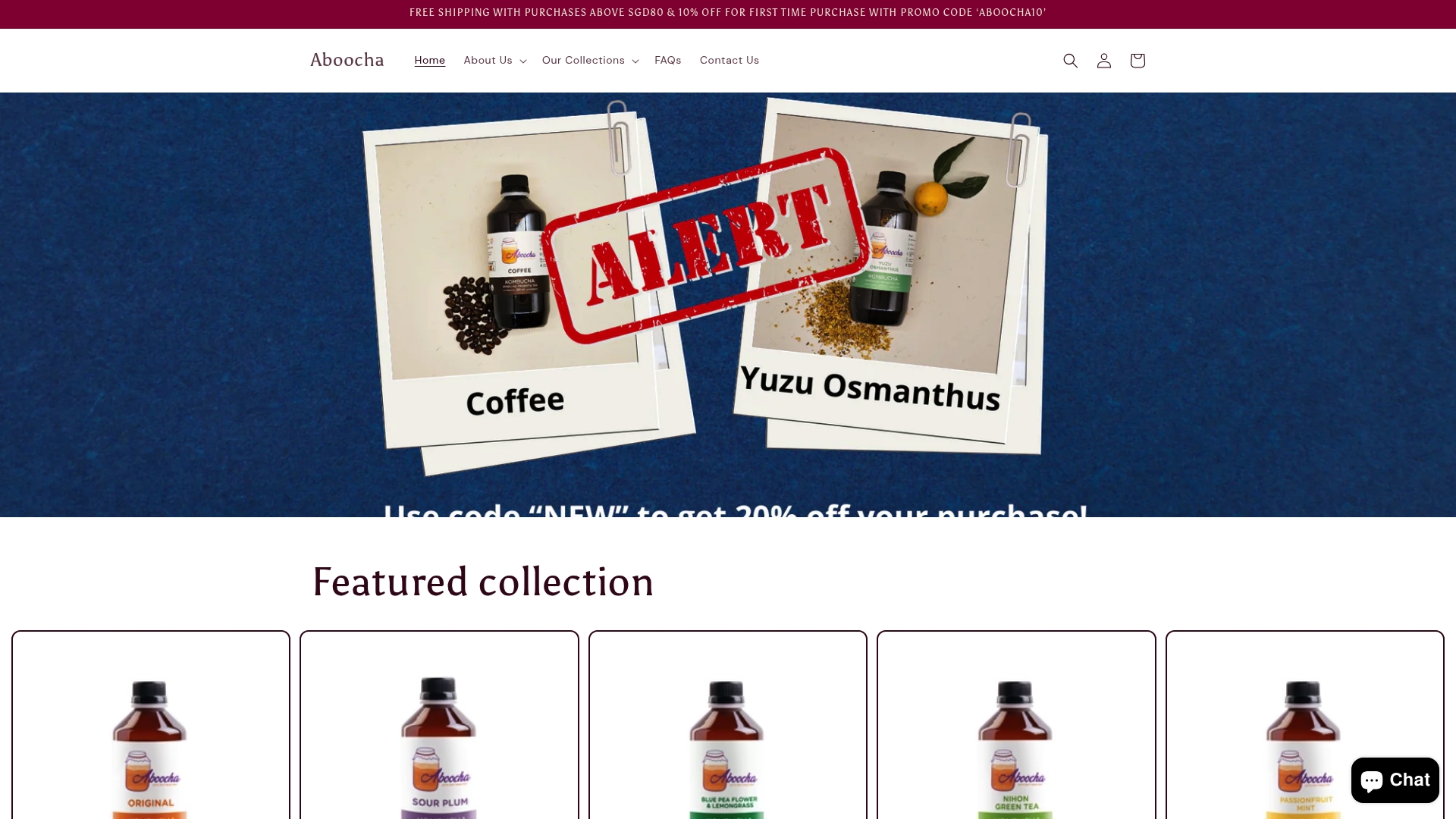
Flavors like Sour Plum and Yuzu Osmanthus are not just unusual choices. They reflect a commitment to crafting a drink that competes on taste as well as gut health credentials. Aboocha’s subscription plans make consistent daily intake easy, which is the single most important factor in getting real results from any live culture beverage. Explore Aboocha’s full range of probiotic-rich beverages and find the option that fits your routine and your palate.
FAQ
What are live cultures in beverages?
Live cultures in beverages are living bacteria and yeasts that survive in the drink and can support gut health when consumed. They are produced through fermentation or added post-production, though fermented sources generally offer greater microbial diversity.
Are live culture beverages healthy?
Live culture beverages support gut health by maintaining microbial balance, strengthening the intestinal barrier, and modulating immune responses. Benefits depend on the specific strain, dose, and consistency of consumption.
What types of probiotic drinks contain live cultures?
Kombucha, milk kefir, water kefir, drinkable yogurt, and traditional buttermilk are the most common live culture beverages. Probiotic sodas and waters vary widely in quality and often lack authentic fermentation-derived microbial communities.
Does pasteurization destroy live cultures in drinks?
Pasteurization kills live microbes in fermented beverages, leaving a product with no viable probiotic organisms. Always choose refrigerated, unpasteurized options and check the label for named strains and CFU counts.
How much live culture beverage should I drink daily?
A daily serving of 4 to 6 ounces is a reasonable starting point for most people. Industry standards support a target of 10^6 to 10^7 CFU per milliliter, and pairing the drink with fiber-rich foods improves its effectiveness.