
Yes, kombucha can fit a keto diet, but only if you pick low-sugar brews and watch the serving size. Fermentation eats up most of the original sugar, so a plain, well-fermented kombucha can land at 2 to 4 grams of carbs per serving. Flavored, fruit-heavy, or sweetened versions can climb well past that. Certain kombucha products are formulated with low sugar, around 14 calories per 100 mL, which may be more keto-friendly.
TL;DR:
- Most low-sugar kombucha contains 2 to 4 grams of carbs per serving, but flavored versions can exceed 8 grams, making choice critical for keto adherence.
- Longer fermentation reduces residual sugar, while second ferment additions like fruit juice often increase the carb content significantly.
- Drinking a small serving of low-carb kombucha, up to 4 grams of carbs, is unlikely to knock most people out of ketosis if consumed within their daily carbohydrate limits.
- Homebrewing with extended fermentation and careful flavoring can lower sugar content but carries risks of contamination and may still result in vinegary flavor.
- Reading labels carefully, measuring servings, and testing ketone levels can help determine individual tolerance and fit kombucha into a keto routine safely.
Table of Contents
- What Makes One Kombucha Low-Carb and Another High-Carb?
- How Do You Calculate If a Bottle Fits Your Keto Carbs?
- Will Kombucha Knock You Out of Ketosis?
- Can You Homebrew Kombucha With Less Sugar?
- What Does the Clinical Evidence Actually Show?
- How Should You Test Kombucha in Your Keto Routine?
- Aboocha’s Take on Kombucha and Keto-Aware Drinking
- Where to Try a Low-Sugar Kombucha
- Sources
- FAQ
What Makes One Kombucha Low-Carb and Another High-Carb?
The culture feeds on that sugar, converting it into organic acids, trace alcohol, and carbon dioxide. The longer the primary ferment runs, the more sugar gets consumed, which is why a batch fermented for two weeks tastes far more tart and carries less residual sugar than one pulled at four or five days.
Trouble starts at the second ferment. Most commercial brands add fruit juice, puree, or extra sugar at this stage to build flavor and carbonation, and that added sugar doesn’t go through the same fermentation window. It sits in the bottle largely intact, which is exactly why a mango or berry kombucha can carry two or three times the carbs of a plain ginger or green tea version.
The alcohol and organic acids that remain after fermentation don’t show up as carbs on a nutrition label, but they do explain why kombucha tastes vinegary rather than sweet even when the label lists a few grams of sugar.
A few things to know about the range on store shelves:
- Plain or lightly flavored kombucha often lands at 2 to 6 grams of total carbs per 8 ounce serving.
- Fruit-forward or dessert-style flavors can run 8 to 14 grams or more per serving.
- “Zero sugar” or “hard kombucha” style products are sometimes closer to a vinegar-based beverage than a traditional brew, with a sharper, more acidic profile and very little residual sugar.
- Carbonation level is not a reliable clue. Some low-carb brews are fizzier than sugary ones because CO2 production depends on fermentation time, not sugar content.
How Do You Calculate If a Bottle Fits Your Keto Carbs?
Reading a kombucha label takes about 15 seconds once you know what to check. Most keto trackers count net carbs (total carbs minus fiber), and kombucha rarely has meaningful fiber, so total carbs and net carbs are usually close to identical.
- Find the serving size first. A 16 ounce bottle often lists 2 servings, not 1, so the “per serving” carb count only tells half the story.
- Multiply the per-serving grams by however many servings you’re actually drinking. A bottle listing 3 grams of carbs “per serving” with 2 servings per bottle means 6 grams if you finish the whole thing.
- Check the sugar line separately from total carbs. A brand that lists 4 grams total carbs but only 1 gram of sugar fermented more thoroughly than one showing 4 grams total carbs with 3 grams sugar.
- Scan the ingredient list for juice concentrate, cane sugar, or agave near the top. If a sweetener appears before the tea or culture ingredients, the carb count is likely on the higher end.
Pro Tip: Snap a photo of the nutrition label before you buy a case of anything new. Comparing five bottles side by side later is a lot easier than trying to remember which one had 3 grams versus 9.
A quick buy checklist: total carbs under 5 grams per serving, sugar under 3 grams, ingredient list led by tea and culture rather than juice, and serving size double checked against the bottle’s total volume.
Will Kombucha Knock You Out of Ketosis?
For most people, a single low-carb serving of kombucha won’t push them out of ketosis. Your liver produces ketones when carbohydrate intake stays low enough to keep insulin down, and a onetime dose of 2 to 4 grams of carbs is a rounding error against a daily keto budget that typically sits between 20 and 50 grams total.
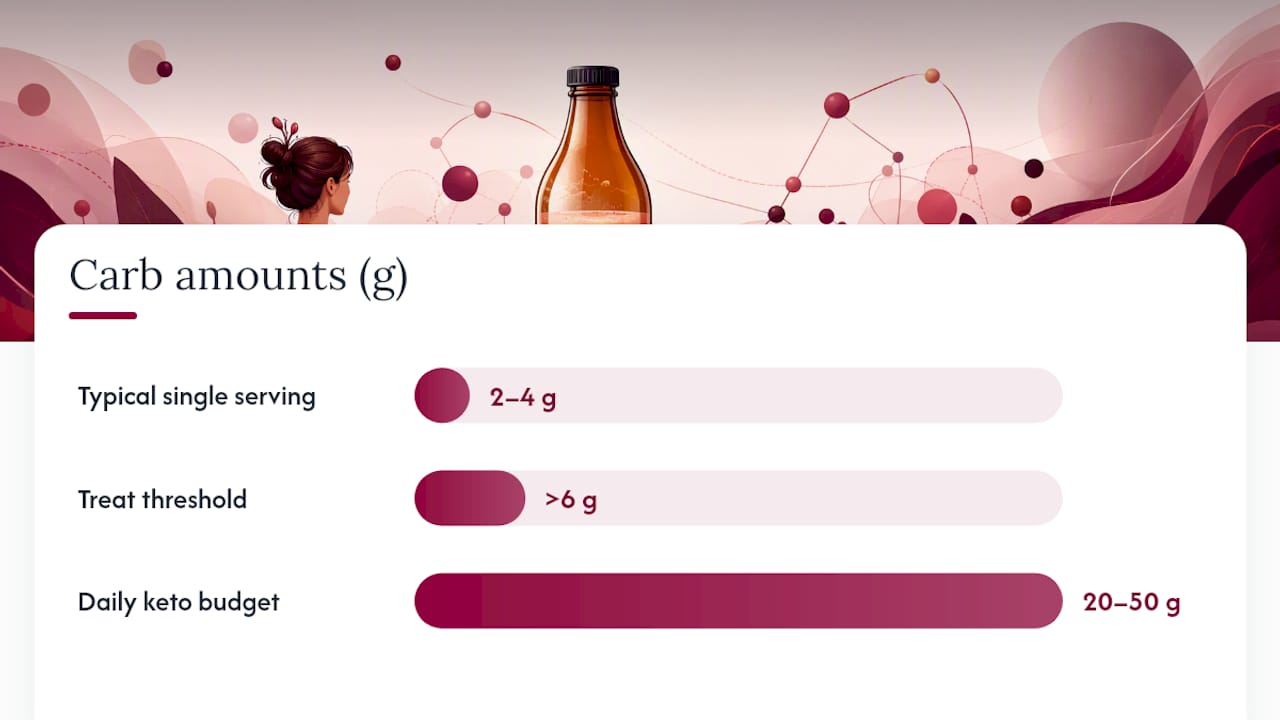
The research on kombucha itself doesn’t address ketosis directly. Clinical trials have focused on gut symptoms and metabolic markers, not ketone levels, so there’s no published data saying “X mL of kombucha shifts you out of ketosis.” What’s known is more basic: carbohydrate load matters, and small loads produce small, usually transient, shifts in ketone readings rather than a full exit from ketosis.
A conservative approach that keto followers commonly use:
- Cap servings at 60 to 120 mL, or about 2 to 4 ounces, of a kombucha carrying 2 to 4 grams of carbs.
- Treat any bottle over 6 grams of carbs per full serving as an occasional treat, not a daily habit.
- Test ketone levels before drinking and again 2 to 4 hours later using blood or breath ketone strips to see your personal response.
- If ketones drop noticeably, cut the serving in half or space it further from other carb sources that day.
Statistic Callout: A 10-week randomized controlled trial investigated the effects of 200 mL daily green tea kombucha on gastrointestinal and metabolomic markers in individuals with excess body weight.
Can You Homebrew Kombucha With Less Sugar?
Homebrewing gives you direct control over residual sugar, and the main lever is time. Extending the primary ferment beyond the standard 7 to 10 days lets the culture consume more of the original sugar, which lowers the final carb count. The tradeoff is real: longer ferments push flavor toward sharper, more vinegary territory and can raise alcohol content slightly, since alcohol is a natural fermentation byproduct that the culture doesn’t fully convert.
A few tactics that lower carbs without wrecking the batch:
- Dilute finished kombucha with unsweetened sparkling water at a 1:1 ratio to cut carbs per glass roughly in half while keeping the fizz.
- Skip sugary second-ferment additions and flavor instead with citrus peel, fresh ginger, mint, or a few drops of stevia or monk fruit extract.
- Taste-test daily after day 10 of primary fermentation; once it hits the tartness you like, bottle it rather than chasing extra sweetness reduction.
Pro Tip: If your homebrew tastes almost like vinegar, you’ve probably minimized sugar about as far as it will go without diluting. That’s the point to flavor with herbs rather than fruit juice.
One safety note matters more than flavor tweaks: homebrewing carries real contamination and lead-leaching risks, particularly when ceramic vessels with lead-based glazes are used or sanitation is inconsistent. Stick to food-grade glass, sanitize thoroughly, and if that feels like a lot of overhead for a few grams of carb savings, a commercially prepared low-sugar option solves the same problem with less risk.
What Does the Clinical Evidence Actually Show?
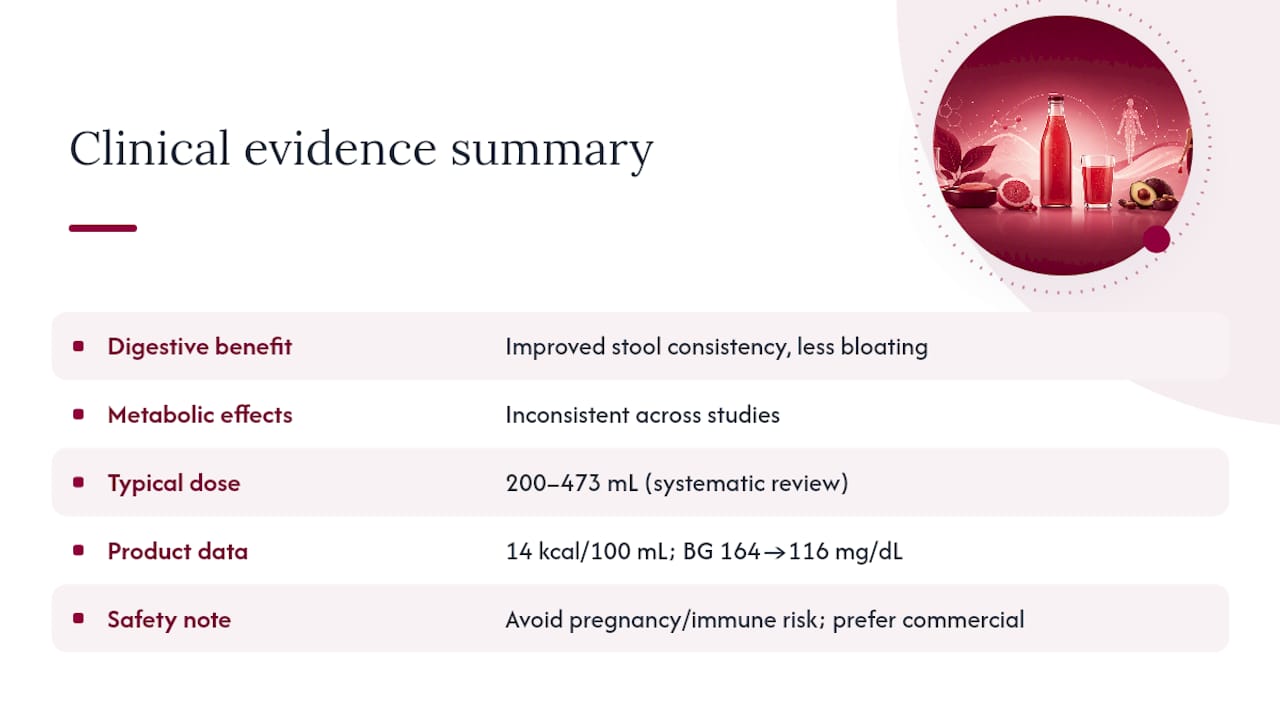
The strongest, most consistent finding across kombucha research is gut related, not metabolic. A 2025 systematic review of eight clinical trials, using doses between 200 and 473 mL, found kombucha reliably improved stool consistency and reduced the sensation of incomplete bowel evacuation. Effects on glucose metabolism and gut microbiota composition were far less consistent, varying by study population and background diet.
That pattern shows up in individual trials too. A 10-week RCT using 200 mL of green tea kombucha daily in people with excess body weight reported improved GI symptoms and some shifts in the serum metabolome, but no significant change in microbiota diversity or intestinal permeability once researchers adjusted for other variables. Trial sizes in this space tend to be small and durations short, usually weeks rather than months, so read any single-study claim about blood sugar or cardiometabolic benefits with some caution.
Across the trials reviewed, the one effect that held up study after study was digestive, not metabolic: better stool consistency and less bloating discomfort. Everything else, glucose, lipids, microbiota diversity, moved in different directions depending on the population studied.
Aboocha Kombucha’s own product data shows 14 kcal per 100 mL, consistent with a low-sugar formulation, and the brand has documented an internal observation of blood sugar readings moving from 164 to 116 mg/dL over four weeks in one trial. That’s publisher-reported data, not a peer-reviewed result, and it should be read as one data point rather than proof of a metabolic effect.
On the safety side, Mayo Clinic advises that pregnant, breastfeeding, or immunocompromised people may want to avoid kombucha altogether, and recommends commercially prepared bottles over homebrew specifically because of contamination risk.
How Should You Test Kombucha in Your Keto Routine?
Treat your first few weeks with kombucha as a small experiment rather than a habit you commit to blind.
- Pick one low-sugar bottle with 2 to 4 grams of carbs per serving and measure ketones before drinking.
- Drink a small measured serving, 60 to 120 mL, and recheck ketones 2 to 4 hours later.
- If ketones hold steady or barely move, add the carb count into your daily macro tracker and repeat every other day for a week.
- If ketones drop noticeably or you notice bloating, cut back to a smaller serving or switch to plain unsweetened sparkling water or a probiotic shot instead.
- Watch for red flags like GI discomfort, headaches, or unusual fatigue, and stop the trial if any of those show up consistently.
Pro Tip: Keep the trial boring on purpose. Same bottle, same time of day, same serving size for at least a week before you draw any conclusion about how kombucha affects your ketone levels.
Aboocha’s Take on Kombucha and Keto-Aware Drinking
Some kombucha brands are built around the idea that flavor and low sugar don’t have to trade off against each other. Certain flavors are developed to deliver an interesting drinking experience without leaning on juice concentrate to get there, which can keep the carb count down.
If you’re keto or keto-curious, start with a single measured serving and run it through the trial plan above before you build kombucha into a daily habit. This piece was written by Irwin Lee, drawing on the clinical research and label-reading math covered throughout the article.
— Irwin Lee
Where to Try a Low-Sugar Kombucha
A lot of keto-friendly drink advice stops at “check the label,” which leaves you doing carb math on every bottle you pick up. Aboocha Kombucha skips that guesswork by formulating around low sugar from the start, sitting at 14 calories per 100 mL, which makes it easier to slot a serving into a daily carb budget without pulling out a calculator.
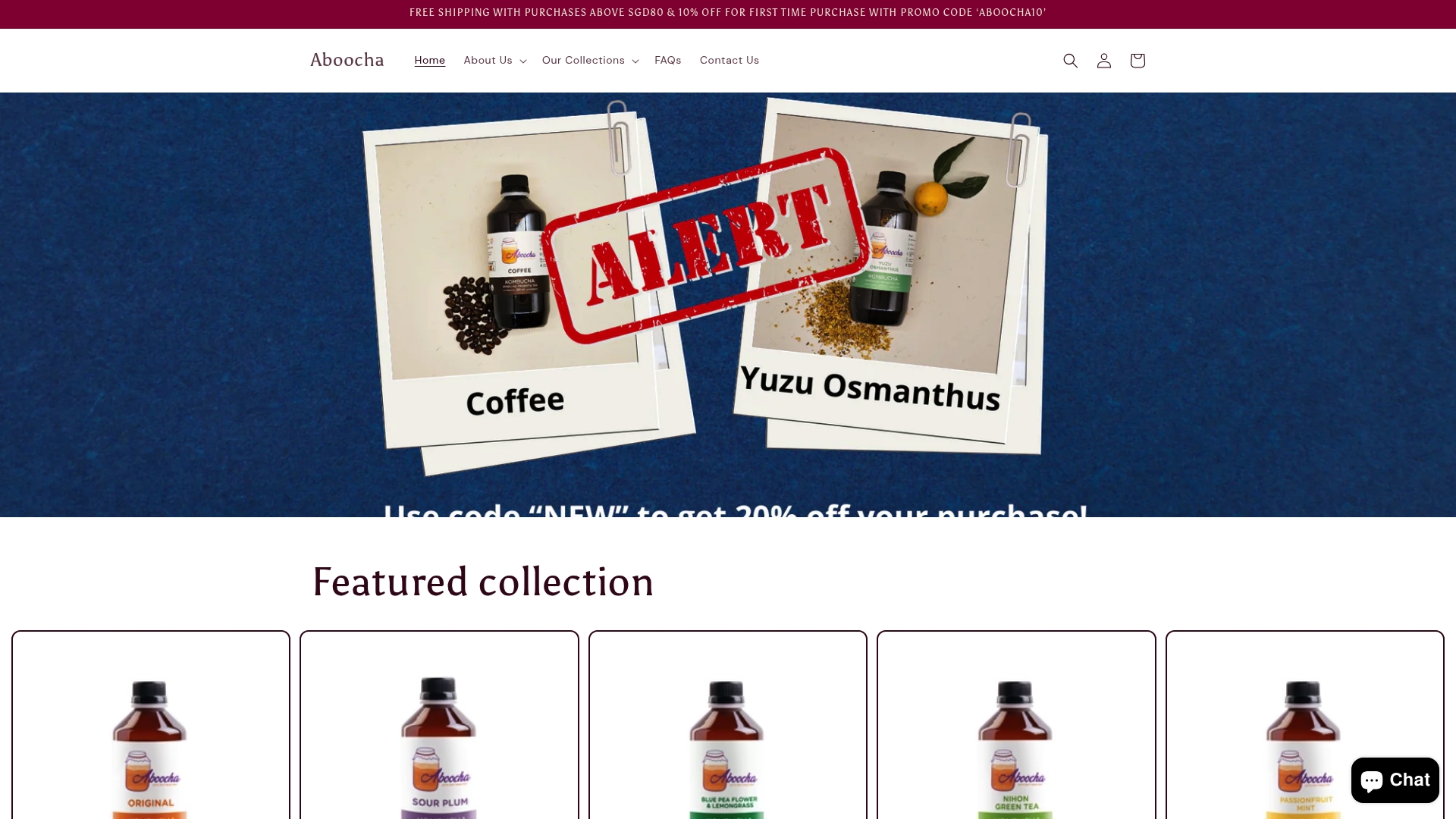
Flavors like Sour Plum and Yuzu Osmanthus give you the variety that plain, ultra-fermented homebrew often can’t match, and the subscription plans mean you’re not rebuying single bottles every time you want to test a new serving size. If you want an easier comparison point while you’re doing the math from the label-reading section above, this breakdown of why lower sugar matters walks through the same logic in more depth. Grab a bottle, run the ketone check from the trial plan, and see how it fits your own numbers before committing to a case.
This article is general information, not a substitute for advice from a qualified doctor. Consult a qualified healthcare professional about your own circumstances before acting on anything here.
Sources
- Benefits of Kombucha Consumption: A Systematic Review of Clinical Trials Focused on Microbiota and Metabolic Health
- Green tea kombucha impacts inflammation and salivary microbiota in individuals with excess body weight: A randomized controlled trial
- Kombucha tea: Does it have health benefits? - Mayo Clinic
FAQ
Is Kombucha Allowed on a Keto Diet?
Yes, as long as you choose a low-sugar option and keep servings small, ideally 2 to 4 grams of carbs per serving, since carb counts vary widely between plain and fruit-flavored bottles.
Is There Carb-Free Kombucha Available?
True zero-carb kombucha is rare because trace sugars and organic acids remain after fermentation, but some “zero sugar” or vinegar-style options come close, often under 1 gram of carbs per serving.
Is Kombucha High in Carbs?
It depends on the brand and flavor. Plain or lightly flavored kombucha often runs 2 to 6 grams of carbs per serving, while fruit-heavy or dessert-style versions can hit 8 to 14 grams or more.
Is Yakult OK for Keto?
Yakult and similar sweetened probiotic drinks typically carry more sugar per serving than a low-sugar kombucha, often in the double digits, so they generally fit a keto diet less easily than a carefully chosen kombucha.