
How do you try new beverage flavors successfully?
The most effective approach to exploring new beverage flavors combines structured sensory evaluation with deliberate, small-batch experimentation before any wider rollout. You don’t need a full production run to know whether a Yuzu Osmanthus profile will resonate. You need a clear process.
Start by defining what you’re trying to solve. Are you chasing a gap in your current lineup, responding to a trend, or testing a functional ingredient pairing? That framing shapes everything from your ingredient sourcing to your tasting panel design. Without it, you’re just mixing things and hoping.
Here’s a practical framework for flavor experimentation:
- Set a flavor hypothesis. Before blending, write down the sensory target: the aroma, the mouthfeel, the finish. This gives your tasting panel something concrete to react to.
- Source regionally where possible. Swiss alpine herbs, local ferments, and certified organic botanicals give you a credibility edge and a flavor story consumers can connect with.
- Run structured sensory panels. Use triangle tests or preference mapping with a group of 8–15 tasters to identify which variables (sweetness, acidity, bitterness) need adjustment. The Institute of Food Technologists recommends sensory evaluation methods as a core tool for flavor development.
- Iterate in small batches. Change one variable per round. Changing acidity and sweetness simultaneously makes it impossible to know which adjustment drove the shift in preference.
- Build a feedback loop. After each tasting round, document scores and comments in a shared format. Patterns emerge faster than you’d expect.
- Test for market fit, not just taste. A flavor can score well in a panel and still confuse consumers on shelf. Pair sensory testing with brief concept interviews to check whether the flavor story lands.
Pro Tip: Run your tasting panel at the same time of day across sessions. Palate fatigue and hunger levels shift perception significantly, and inconsistent timing introduces noise that makes iteration harder to read.
Regulatory compliance is part of the process, not an afterthought. Switzerland’s food law, governed by the Lebensmittelgesetz (LMG) and the Lebensmittel- und Gebrauchsgegenständeverordnung (LGV), requires that any new flavoring agent used in beverages be listed in the ingredient declaration. Novel functional ingredients, particularly adaptogens and botanical extracts, may require pre-market notification to the Federal Food Safety and Veterinary Office (FSVO). Check the FSVO’s positive list for permitted flavoring substances before finalizing any formula.


What 2026 beverage flavor trends should inspire your next creation?
The clearest signal from 2026 is that Swiss beverage consumers are moving away from novelty for its own sake. Beverage development in Switzerland is shifting toward beverage-led concepts that build long-term loyalty through teas, ferments, and herbal infusions rather than chasing short-term flavor hypes. That’s a meaningful shift for developers: the question isn’t “what’s surprising?” but “what’s worth coming back to?”
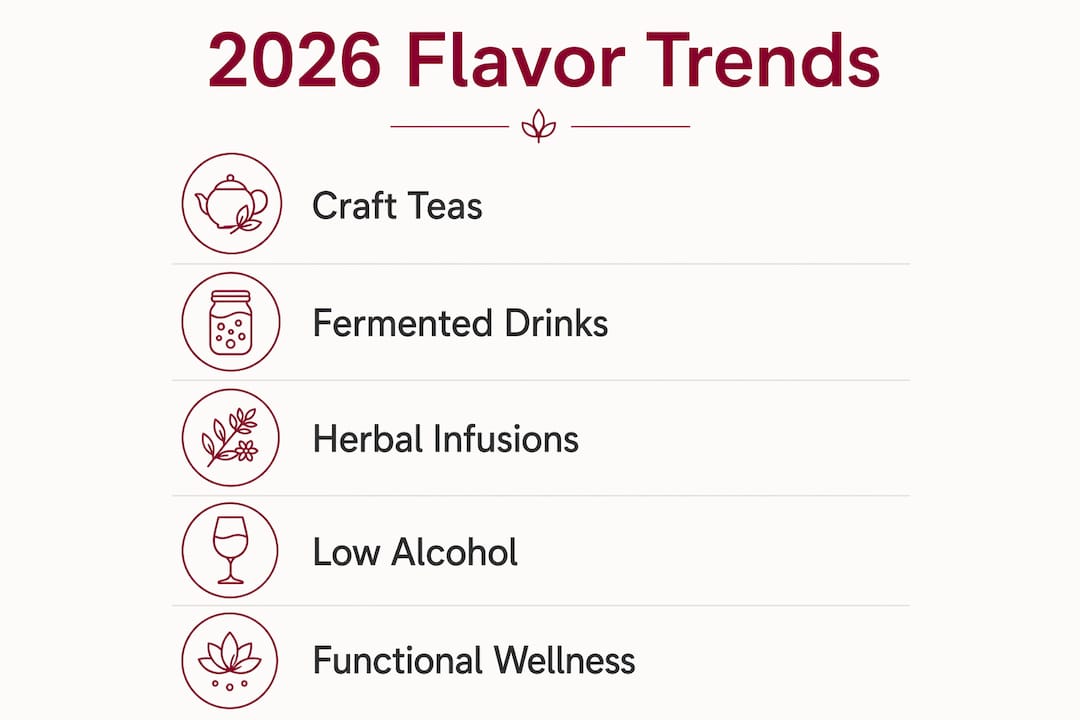
Sensory complexity is gaining ground over single-note sweetness. Consumers want layered profiles where the first sip tells one story and the finish tells another. Think elderflower with a bitter gentian close, or a lightly fermented plum base with a citrus lift. These aren’t just interesting to drink; they reward attention.
Key trends shaping flavor development in 2026:
- Craft teas and herbal infusions. High-quality loose-leaf teas, Swiss mountain herbs, and cold-brew botanicals are moving from specialty cafés into mainstream beverage menus.
- Fermented and probiotic profiles. Kombucha, water kefir, and shrubs are gaining traction as functional fermented drinks that deliver both taste complexity and gut health benefits.
- Nostalgic flavors with a modern twist. Elderberry, quince, and rhubarb are being reframed with cleaner ingredient lists and lower sugar content.
- Fusion-inspired combinations. East Asian flavor profiles, particularly yuzu, osmanthus, and sour plum, are finding Swiss audiences who want something genuinely different.
- Low and no-alcohol formats. Switzerland leads the DACH region in mindful drinking, with non-alcoholic craft beverages now socially accepted and commercially relevant.
- Interactive and experiential formats. Beverages that change color, evolve with temperature, or pair with food in unexpected ways are gaining attention, particularly among consumers under 40.
The practical implication for developers: flavor recommendations that align with these profiles tend to perform better in Swiss tasting panels because they match what consumers are already primed to appreciate. A 2026 tasting guide built around these sensory categories gives you a structured starting point rather than a blank canvas.
Why do sustainability and authenticity define Swiss beverage flavor innovation now?
Sustainability is no longer a differentiator in the Swiss beverage market. It’s a baseline. In 2026, sustainability influences consumer choice and willingness to pay more for certified or organic products. Developers who treat it as optional are starting behind.
What this means practically is that ingredient sourcing decisions carry brand weight. Swiss consumers read labels. They notice whether a botanical extract is certified organic, whether the production process is transparent, and whether the brand can explain where its ingredients come from. A compelling flavor profile built on anonymous commodity ingredients is a harder sell than a simpler profile with a clear provenance story.
| Factor | Why it matters in Switzerland | Developer action |
|---|---|---|
| Certified organic ingredients | Consumers pay a premium for verified organic status | Source from certified Swiss or EU organic suppliers |
| Local alpine botanicals | Builds authenticity and a flavor story tied to place | Partner with regional herb growers and distillers |
| Low sugar formulation | Aligns with “less but better” consumption behavior | Reduce added sugars; let fermentation or fruit provide sweetness |
| Transparent labeling | Consumers scrutinize health and wellness claims | List all functional ingredients with clear, accurate descriptions |
| Sustainable packaging | Younger Swiss consumers see packaging as a quality signal | Prioritize recyclable or minimal packaging formats |
Authenticity and local sourcing build brand credibility in a way that marketing copy alone cannot. When a beverage developer can trace a chamomile extract to a specific Swiss valley, that story travels. It shows up in how staff describe the product, how it photographs, and how it earns word-of-mouth.
For developers integrating these values into flavor experimentation, the most direct path is to build your ingredient shortlist around what’s certifiable and traceable first, then develop the flavor profile from there. It’s a constraint that often produces more interesting results than starting with an abstract flavor concept.
How do you incorporate wellness and functional ingredients into new beverage flavors?
Functional beverages grew in the Swiss market in early 2026 even as the overall market contracted. That’s not a coincidence. Swiss consumers are actively seeking drinks that do something beyond hydration, and they’re willing to pay for it when the health claims are credible.
The challenge is that functional ingredients often fight the flavor profile. Adaptogens like ashwagandha and lion’s mane mushroom carry earthy, sometimes bitter notes that require careful balancing. Probiotics introduced through live fermentation add acidity that can overwhelm delicate botanical flavors if the fermentation isn’t controlled. Getting the health benefit and the sensory experience to coexist takes more iteration than a standard flavor development cycle.
- Start with the functional benefit, then build the flavor around it. If you’re developing a gut-health beverage, live fermentation is your base. Choose a fermentation culture that produces a flavor profile you can work with, then layer botanicals on top.
- Use natural sweetness strategically. Fruit-forward bases like hibiscus, elderberry, or passionfruit can mask bitterness from adaptogens without adding refined sugar.
- Communicate the benefit clearly on the label. Swiss consumers prefer transparent health claims and will distrust vague wellness language. “Contains live cultures supporting digestive health” outperforms “wellness blend” every time.
- Test functional ingredient stability. Heat, light, and pH all degrade active compounds. Verify that the functional benefit survives your production process and shelf life before making any label claim.
- Consider the “less but better” positioning. Swiss consumers are moving toward lower consumption volumes with higher quality expectations. A 250ml functional beverage with a clear benefit and a great flavor profile fits that behavior better than a 500ml generic wellness drink.
Functional food products like protein drinks, goji berries, and matcha have seen substantial growth in Swiss shopping trends, confirming that health-focused ingredients are now a mainstream consumer priority, not a niche one.
Flavor combinations that are working well in 2026 Swiss functional beverage development include ginger and turmeric with a citrus base, elderflower and chamomile with a light kefir ferment, and matcha with yuzu and a honey finish. Each of these pairs a recognizable wellness ingredient with a flavor anchor that makes the drink genuinely enjoyable rather than medicinal. The benefits of botanical-infused beverages extend beyond health claims; they give developers a richer sensory palette to work with.
For developers sourcing functional ingredients in Switzerland, Biofarm, Biotta, and the Swiss organic certification body Bio Suisse are practical starting points for certified suppliers. The Swiss Federal Food Safety and Veterinary Office (FSVO) publishes guidance on permitted health claims for beverages, which is worth reviewing before finalizing any label copy.
How does Aboocha’s expertise shape health-conscious flavor innovation in Switzerland?
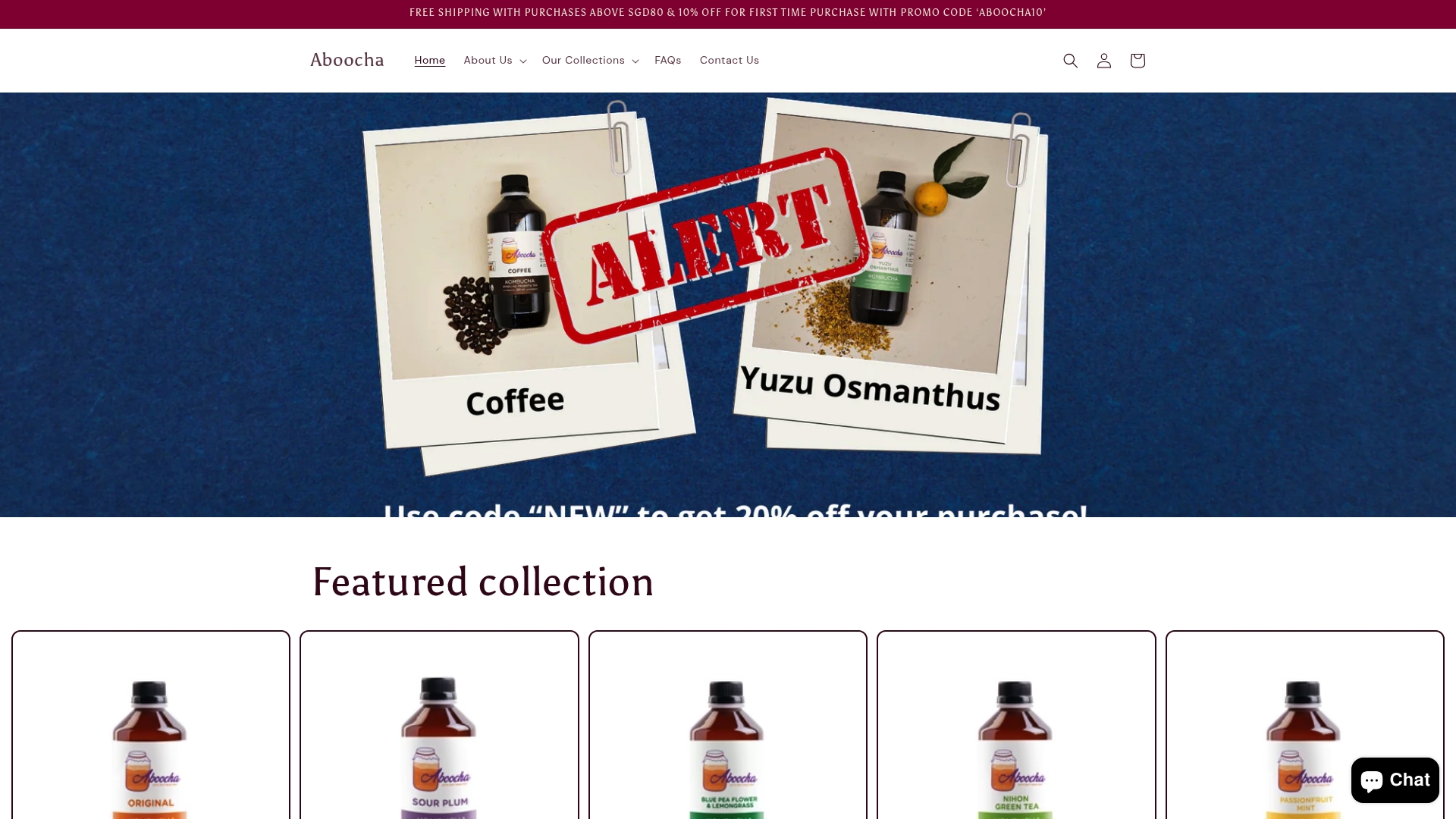
Aboocha operates at the intersection of flavor ambition and health-conscious formulation, which is exactly where the Swiss market is heading. The brand’s kombucha lineup, built around profiles like Sour Plum and Yuzu Osmanthus, demonstrates what’s possible when you treat flavor development as a craft rather than a commodity exercise. Lower sugar content isn’t a compromise at Aboocha; it’s a design principle that forces more creative use of fermentation, botanical layering, and natural fruit acidity to deliver complexity.
The Swiss beverage market rewards this kind of precision. Beverage menus are shifting from food accompaniments to primary revenue and experience drivers, with non-alcoholic and functional beverages asserting brand identity in ways that wine lists once did. Aboocha’s approach, grounding each flavor in a clear sensory story with a traceable ingredient rationale, aligns directly with what Swiss consumers and hospitality buyers are looking for.
For beverage developers looking to apply these principles, Aboocha’s experience points to three practical takeaways. First, low sugar doesn’t mean low flavor; fermentation and botanical complexity can carry a profile further than sweetness alone. Second, a clear health benefit paired with a specific flavor story is more persuasive than a generic wellness claim. Third, subscription models work when the flavor variety is genuine, because repeat customers stay when each delivery feels like a new discovery rather than the same thing in a different bottle.
Pro Tip: When developing a new kombucha or fermented beverage flavor, taste the base culture before adding any botanicals. The fermentation character is your foundation, and if it’s off, no amount of flavoring will fix it. Get the base right first.
Aboocha’s kombucha flavor guide offers a practical reference for understanding how fermentation variables affect the final sensory profile, useful for any developer working in this category. For a broader look at where unique drink flavors are heading in 2026, the brand’s trend coverage tracks the Swiss market closely.
The functional beverage space in Switzerland has room for developers who combine genuine flavor craft with credible health positioning. Aboocha’s model shows that the two aren’t in tension. Done well, they reinforce each other. For developers ready to explore that space, Aboocha’s full range is worth experiencing firsthand.
Key Takeaways
Successful beverage flavor innovation in Switzerland in 2026 requires combining structured sensory testing, authentic local ingredients, credible functional claims, and a clear flavor story that earns repeat purchase.
| Point | Details |
|---|---|
| Structure your experimentation | Use sensory panels and small-batch iteration, changing one variable per round to get clear results. |
| Follow 2026 Swiss trends | Craft teas, ferments, herbal infusions, and low-alcohol formats are building long-term consumer loyalty. |
| Sustainability is a baseline | Swiss consumers pay more for certified organic and locally sourced ingredients with transparent provenance. |
| Functional ingredients need flavor balance | Pair adaptogens and probiotics with natural fruit or botanical bases to make health benefits enjoyable. |
| Authenticity drives repeat purchase | Clear health claims, honest labeling, and a traceable ingredient story outperform generic wellness positioning. |
FAQ
How do you start experimenting with new beverage flavors?
Define a sensory target before you blend anything, then run structured tasting panels with 8–15 people, changing one variable per round. Small-batch iteration with documented feedback produces faster, more reliable results than large-scale trials.
What are the biggest 2026 beverage flavor trends in Switzerland?
Craft teas, fermented drinks, herbal infusions, and low or no-alcohol formats are the dominant growth categories, driven by Swiss consumers’ preference for mindful drinking and “less but better” quality choices.
What regulations apply to new beverage flavors in Switzerland?
Switzerland’s Lebensmittelgesetz (LMG) and LGV require all flavoring agents to appear in the ingredient declaration, and novel functional ingredients may require pre-market notification to the Federal Food Safety and Veterinary Office (FSVO).
How do you balance health benefits with great taste in functional beverages?
Build the flavor profile around the functional ingredient rather than adding it afterward. Natural fruit bases like hibiscus or elderberry can offset bitterness from adaptogens while keeping the formulation clean and low in added sugar.
Why do Swiss consumers respond to authentic, locally sourced ingredients?
Swiss consumers scrutinize labels and reward brands that can trace ingredients to a specific origin. Local alpine botanicals and certified organic sourcing provide a credible flavor story that generic commodity ingredients cannot match.