
The most exciting unique drink flavors to try in 2026 are defined by three forces: the cold coffee surge, the rise of alcohol-free cocktails, and a return to heritage and regional ingredients. Beverage culture has shifted from simple refreshment to full sensory experience, with top bars and artisan producers leading the charge. Cold brew, Yuzu Osmanthus kombucha, Alpine herb tonics, and sparkling fermented drinks are no longer niche. They are the new standard for anyone serious about what they drink.
1. What are the top unique cold coffee trends to try in 2026?
Cold coffee is the defining drink format of 2026. Up to 75% of drinks served in coffee shops are now cold, and younger consumers are leading the shift. That number signals a permanent change in how people consume coffee, not a passing trend.
The most popular cold coffee styles right now include:
- Cold brew concentrate: Steeped for 12–24 hours, delivering a smooth, low-acid flavor with natural sweetness
- Espresso tonic: A shot of espresso over sparkling water with tonic, creating a bitter-sweet contrast that works surprisingly well
- Cold lattes with alternative milks: Oat, macadamia, and pistachio milk each add distinct flavor layers that hot lattes cannot replicate
- Whipped coffee (Dalgona style): Still circulating on social media, now remixed with matcha, hojicha, or brown sugar
- Nitro cold brew: Nitrogen-infused for a creamy, stout-like texture with zero dairy
Social media platforms like TikTok and Instagram continue to drive viral coffee recipes at a rapid pace. A single “coffee hack” video can push a flavor combination into mainstream menus within weeks. That speed of adoption means the cold coffee category refreshes faster than almost any other beverage segment.
Pro Tip: Try making cold brew at home by steeping coarsely ground coffee in cold water for 18 hours in the fridge. Use a 1:4 coffee-to-water ratio and strain through a fine mesh. The result beats most café versions and costs a fraction of the price.
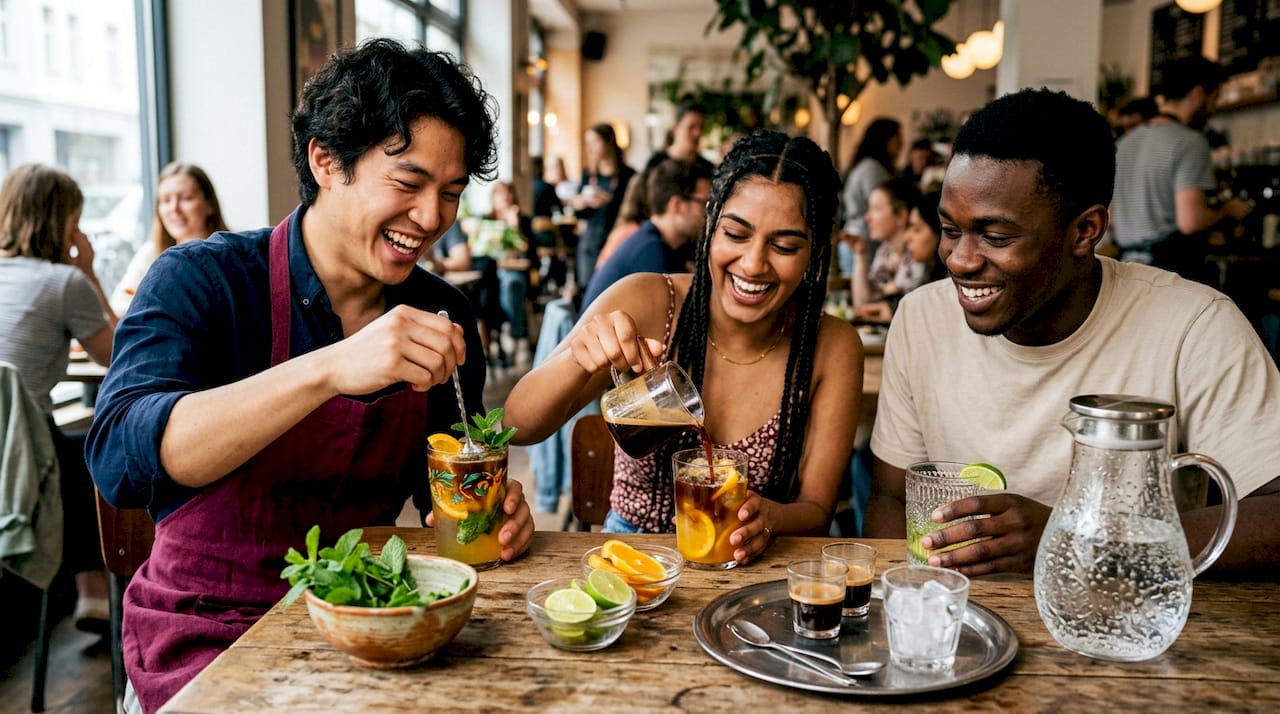
For enthusiasts who want to pair cold coffee with sustainable sourcing, cold coffee sustainability is becoming a real consideration in how specialty roasters position their products.
2. Why are alcohol-free cocktails a must-try flavor category in 2026?
Mocktails have moved from afterthought to menu anchor. Top-tier bars now average 10 alcohol-free cocktails per menu alongside 28 standard cocktails. That ratio reflects genuine demand, not charity toward non-drinkers.
The flavor profiles in this category are genuinely surprising. Bartenders are building complexity through:
- Shrubs and drinking vinegars: Fermented fruit and vinegar bases that deliver tartness and depth
- Botanical infusions: Lavender, cardamom, and gentian root create bitter, aromatic layers
- Smoked and charred elements: Activated charcoal or smoked rosemary syrups add visual drama and flavor
- Umami-forward combinations: Tomato water, miso, and seaweed are appearing in zero-proof builds
- Fermented bases: Kombucha, kefir water, and jun tea replace spirits while adding probiotic complexity
The cultural shift driving this is real. Declining alcohol consumption has pushed the bar industry to treat non-alcoholic drinks as a core identity element, not a side category. The best bars now compete on the quality of their mocktail list as much as their whiskey selection.
“The shift towards quality non-alcoholic offerings reflects a broader ‘host culture’ where every guest, regardless of alcohol preference, deserves an equally sophisticated drink experience.”
Pro Tip: When ordering at a bar, ask the bartender to build you a mocktail using the same flavor architecture as a cocktail you enjoy. Most skilled bartenders will use shrubs, bitters, and fermented bases to match the complexity. You will rarely be disappointed.
Curious about exotic fermented drinks that fit this zero-proof trend? Fermented beverages like kombucha and jun tea are natural fits for the mocktail movement.
3. How heritage and local ingredients are shaping unique drink flavors in 2026
Regional flavor is having a serious moment. Aperol Spritz still commands 47.8% of cocktail consumer preference, but lighter, locally inspired alternatives are gaining real ground. Alpine herb-infused Rosé Tonic at 3.3% ABV is one example of a drink that feels rooted in place while meeting modern low-alcohol demand.
The aperitivo category is evolving fast. Producers are replacing mass-market bitters with foraged local botanicals, creating drinks that taste like a specific region rather than a global brand. This is not nostalgia. It is a deliberate response to consumers who want authenticity in the glass.
Regional collaboration is producing some of the most interesting results. Craft producers are blending traditional sodas with amber non-alcoholic beer bases, creating authentic local flavor profiles that feel genuinely new. The “Pepibier” concept, which combines heritage soda with craft beer techniques, is a direct example of this approach working in practice.
| Approach | Flavor result | ABV range |
|---|---|---|
| Alpine herb tonic | Bitter, floral, mineral | 3.3% |
| Heritage soda and craft beer blend | Sweet, malty, effervescent | 0–2% |
| Foraged botanical aperitivo | Complex, earthy, aromatic | 5–15% |
| Regional fruit ferment | Tart, fruity, lightly funky | 0–4% |
Pro Tip: When traveling, skip the cocktail menu and ask what the bar makes with local ingredients. Regional spirits, house-made syrups, and foraged botanicals rarely appear on the standard menu but are almost always available if you ask directly.
4. What innovative flavor combinations are redefining drinks in 2026?
The most interesting drinks in 2026 combine ingredients that have no business being together on paper. Signature personalized drinks now blend technological precision with authentic regional ingredients, and the results are genuinely unexpected. This is the shift from beverage as product to beverage as experience.
Flavor pairings worth knowing:
- Yuzu and osmanthus: Citrus brightness meets floral sweetness. Aboocha’s Yuzu Osmanthus kombucha is a direct example of this pairing working at a commercial scale.
- Sour plum and ginger: Fermented tartness with warming spice, a combination rooted in East Asian culinary tradition
- Peppermint and citrus liqueur: Fresh herb meets sharp citrus. Artisan producers like Basler Boden are building entire brand identities around this kind of regional herb pairing
- Tropical fruit and sparkling ferment: Mango, passionfruit, or guava layered over a kombucha or kefir water base
- Smoked tea and honey: Lapsang souchong cold-brewed and sweetened with raw honey creates a drink that reads like a cocktail without a drop of alcohol
Small producers face real barriers in bringing these combinations to market. Supply chain access often requires formal commercial registration before B2B ingredient suppliers will work with a new brand. That friction filters out many ideas before they reach consumers, which makes the brands that do break through worth paying attention to.
For a deeper look at how these pairings work in practice, the uncommon flavor combinations guide from Aboocha breaks down the logic behind each pairing.
5. When and where to find the best seasonal and hyper-local drink flavors
Timing matters more than most people realize. Half of top-tier bars update their menus twice per year, with many running temporary specials to highlight hyper-seasonal ingredients. Miss the window and you miss the drink entirely.
The best strategy for finding genuinely unique seasonal flavors:
- Visit in early spring and early fall. These are the two primary menu rotation windows for most serious bars and restaurants. New ingredients are freshest and bartenders are most excited about them.
- Target bars with a dedicated seasonal specials section. A bar that separates its seasonal menu from its core menu takes both seriously.
- Follow local food and drink media. City-specific publications and Instagram accounts often preview new menus before they launch.
- Attend beverage festivals and trade events. These are where producers debut new flavor concepts before they hit retail or bar menus.
- Ask about the “off-menu” list. Many craft bars keep a rotating list of experimental drinks that never make the printed menu.
Mixology in 2026 relies heavily on hyper-local ingredients to create experiences that attract serious beverage enthusiasts. A drink made with foraged elderflower from a specific valley cannot be replicated anywhere else. That exclusivity is part of the appeal.
Geographic hotspots for unique drink culture include cities with strong craft beverage scenes: Portland, Copenhagen, Tokyo, Melbourne, and Zurich all have active communities of producers pushing flavor boundaries. Each city has its own ingredient logic, which means the same format, say a sparkling fermented drink, tastes completely different depending on where you drink it.
Pro Tip: Plan your visit during a bar’s menu launch week. Bartenders are at their most engaged, the ingredients are at peak freshness, and you are far more likely to get a guided tasting of the new additions.
Key takeaways
The top unique drink flavors to try in 2026 span cold coffee formats, alcohol-free cocktails, heritage-inspired regional drinks, and unexpected ingredient pairings that treat every glass as an experience.
| Point | Details |
|---|---|
| Cold coffee dominates | Up to 75% of coffee shop drinks are now served cold, making cold brew and espresso tonic the formats to know. |
| Mocktails are menu anchors | Top bars average 10 alcohol-free cocktails per menu, built with fermented bases and botanical infusions. |
| Regional flavor is rising | Low-ABV Alpine herb tonics and heritage soda blends are gaining ground on mass-market options like Aperol Spritz. |
| Timing unlocks the best flavors | Half of top bars update menus twice yearly. Visiting during launch windows gives access to the freshest seasonal drinks. |
| Artisan producers drive innovation | Small brands using regional ingredients and clear flavor identities are creating the most distinctive drinks of 2026. |
What I’ve learned from watching beverage trends shift in real time
The conventional wisdom says trends trickle down from high-end bars to mass market. That is not what is happening in 2026. The most interesting flavor ideas are coming from small producers and regional artisans who are working with what grows near them. They are not chasing global trends. They are creating local ones.
What strikes me most is how the non-alcoholic category has stopped apologizing for itself. A well-built mocktail with a fermented base, a botanical shrub, and a smoked garnish is not a substitute for a cocktail. It is its own thing, and it deserves to be evaluated on its own terms. The bars that understand this are the ones worth visiting.
The challenge for adventurous drinkers is patience. The best seasonal drinks exist for weeks, not months. Agricultural variables affect flavor consistency in natural craft beverages, which means even the same recipe tastes different batch to batch. That unpredictability is not a flaw. It is what makes these drinks worth seeking out.
My honest advice: stop defaulting to the familiar. Order the thing on the menu you cannot pronounce. Ask what the bartender is excited about. The exotic flavor profiles that define 2026 are not going to find you. You have to go looking for them.
— Luna
Aboocha: where unique flavor meets gut health
Aboocha builds kombucha around the same flavor logic driving the best drink trends of 2026. Sour Plum and Yuzu Osmanthus are not marketing names. They are real flavor combinations drawn from East Asian culinary tradition, fermented with care, and kept low in sugar so the taste of the ingredient comes through.
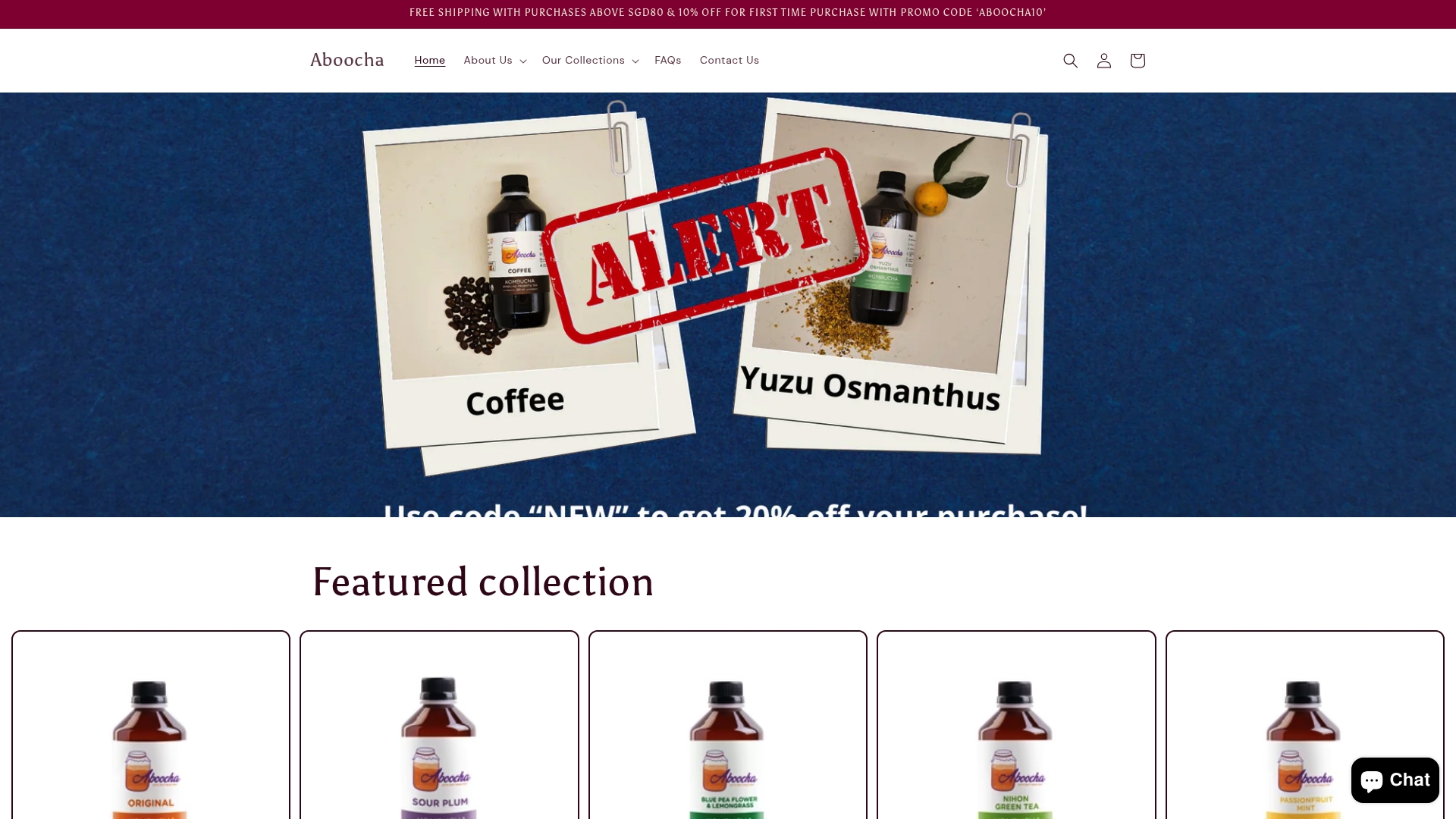
If you are serious about exploring creative beverage ideas that also support digestion and gut health, Aboocha’s kombucha flavor range is worth your time. The subscription plan makes it easy to rotate through flavors without committing to a single option. For enthusiasts who want to go deeper, the fizzy drink options guide covers how sparkling fermented drinks fit into the broader 2026 beverage picture.
FAQ
What cold coffee drinks are trending in 2026?
Cold brew concentrate, espresso tonic, and nitro cold brew are the leading formats. Up to 75% of drinks in coffee shops are now served cold, driven by younger consumers.
How many mocktails do top bars offer in 2026?
Top-tier bars average 10 alcohol-free cocktails per menu, built with fermented bases, botanical infusions, and shrubs that match the complexity of traditional cocktails.
What makes regional and heritage drinks unique in 2026?
Regional drinks use locally foraged botanicals, traditional soda bases, and low-ABV formats to create flavors tied to a specific place. Aperol Spritz holds 47.8% of the cocktail market, but Alpine herb tonics and heritage blends are closing the gap.
When is the best time to find seasonal drink specials?
Early spring and early fall are the primary menu rotation windows. Half of top bars update menus twice per year, so visiting during launch week gives you the widest selection of new flavors.
What is Aboocha and how does it fit 2026 drink trends?
Aboocha is a kombucha brand specializing in flavor-forward, low-sugar fermented drinks. Flavors like Yuzu Osmanthus and Sour Plum align directly with the heritage ingredient and fermented beverage trends defining 2026.