
A SCOBY is a living symbiotic culture of bacteria and yeast that ferments sweetened tea into kombucha, producing its signature tang, carbonation, and bioactive compounds. The acronym stands for Symbiotic Culture Of Bacteria and Yeast. Most people encounter it as a rubbery, off-white disc floating in a jar, but that disc is only part of the story. The liquid surrounding it carries the probiotic organisms and metabolites that give kombucha its functional properties. Understanding what a SCOBY actually does, how to use it safely, and what science says about its health effects will help you make smarter choices about brewing or buying kombucha.
What is SCOBY kombucha and how does fermentation work?
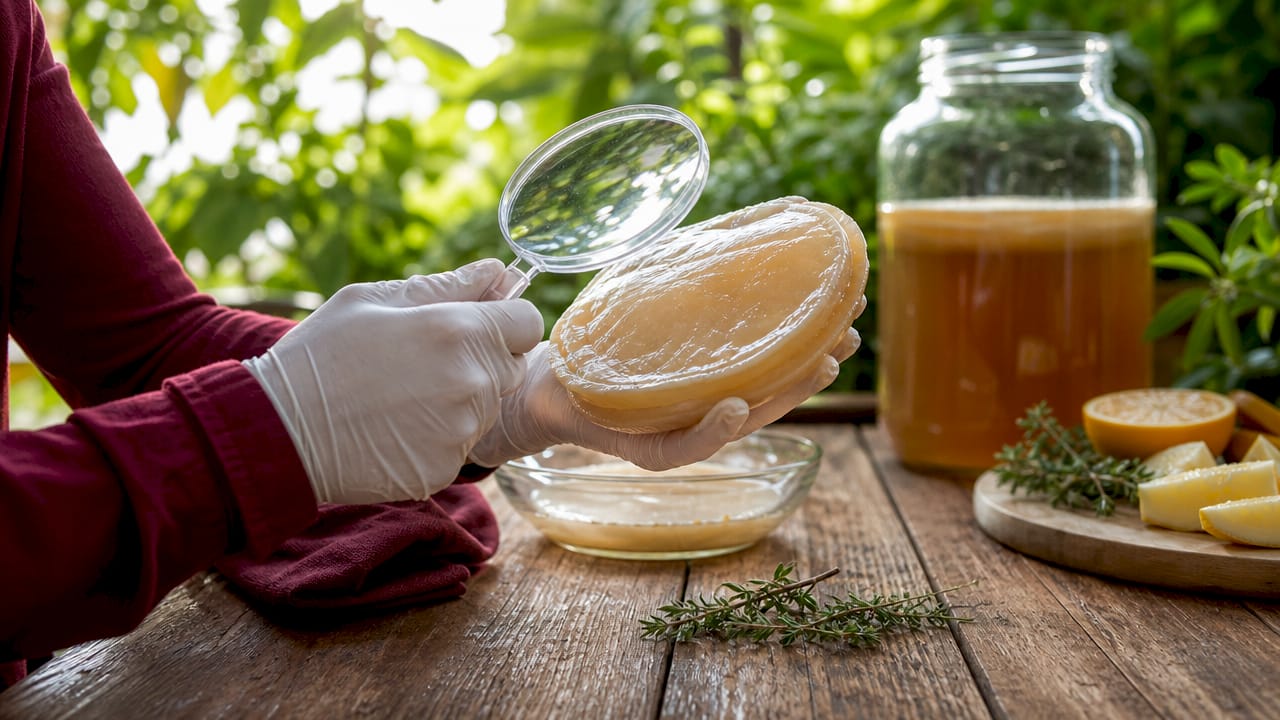
A SCOBY drives kombucha fermentation by housing two classes of microorganisms: bacteria and yeast, bound together in a cellulose biofilm called the pellicle. The pellicle forms at the air-liquid interface of the brewing vessel and grows thicker with each fermentation cycle. It is not the source of probiotics itself. The live organisms and metabolites you actually consume are suspended in the liquid kombucha beneath it.
The fermentation sequence works in two connected stages. Yeast species within the SCOBY break down sugars into ethanol and carbon dioxide, creating the mild carbonation kombucha is known for. Acetic acid bacteria then oxidize that ethanol into acetic acid, which gives kombucha its characteristic tartness and creates an acidic environment that inhibits harmful microbes. Lactic acid bacteria contribute additional organic acids that shape flavor and preservation.
| Microorganism | Role in fermentation | Output |
|---|---|---|
| Yeast (e.g., Brettanomyces, Zygosaccharomyces) | Breaks down sucrose and glucose | Ethanol, CO2 |
| Acetic acid bacteria (e.g., Acetobacter, Gluconobacter) | Oxidizes ethanol | Acetic acid, gluconic acid |
| Lactic acid bacteria (e.g., Lactobacillus) | Ferments residual sugars | Lactic acid, flavor compounds |
| Cellulose-producing bacteria | Builds the pellicle structure | Biofilm (the SCOBY disc) |
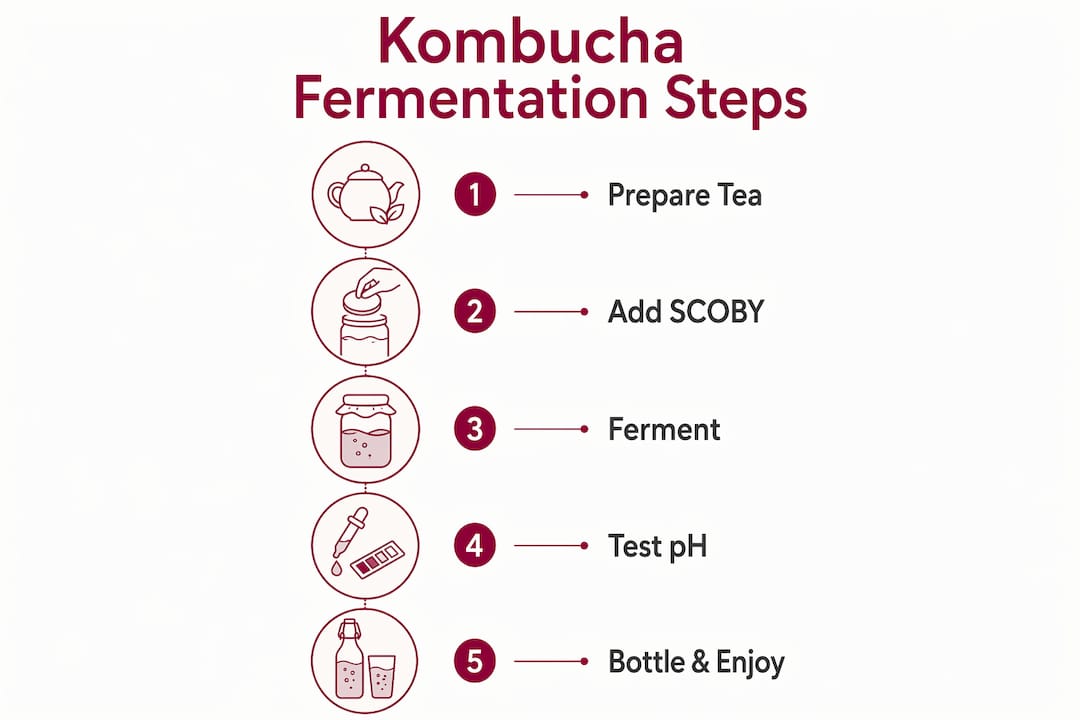
Fermentation typically runs 7 to 10 days at room temperature, though some brewers extend it to a month for a sharper, more vinegary profile. The longer the fermentation, the more sugar is consumed and the more acidic the final product becomes. This is why monitoring taste and pH matters more than following a fixed clock.
Pro Tip: Use a pH strip or inexpensive digital pH meter to track your brew. Finished kombucha should fall between 2.5 and 3.5. Anything above 4.0 means fermentation is still underway or the SCOBY is underperforming.
What are the health benefits of SCOBY fermentation?
SCOBY fermentation produces a range of bioactive compounds that researchers have linked to potential health effects. Recent 2025 to 2026 research confirms that SCOBY microbes generate organic acids, polyphenols, and antioxidants during fermentation, substances with documented antimicrobial and anti-inflammatory properties in laboratory settings. These compounds are found in the liquid kombucha, not in the pellicle itself.
The cellulose pellicle reflects biofilm structure but does not directly determine probiotic strength. Metabolite concentrations fluctuate with fermentation time, temperature, tea type, and sugar content. This means two batches brewed from the same SCOBY can have meaningfully different functional profiles. For readers interested in the specific role these compounds play, the science behind organic acids in kombucha explains how acetic acid, gluconic acid, and lactic acid each contribute to flavor and preservation.
Possible health benefits associated with regular kombucha consumption include:
- Gut microbiome support: Organic acids and live cultures may promote a favorable gut environment, though effects vary by individual.
- Antioxidant activity: Polyphenols from tea are preserved and potentially enhanced during fermentation, offering free-radical scavenging properties.
- Antimicrobial protection: Acetic acid and other fermentation byproducts inhibit pathogens like E. coli and Salmonella in laboratory studies.
- Anti-inflammatory potential: Bioactive compounds produced during SCOBY fermentation show anti-inflammatory markers in cell-based research.
- Blood sugar modulation: Early animal studies suggest kombucha may slow carbohydrate digestion, though human clinical data remains limited.
Probiotic and metabolite composition varies batch to batch, making universal health claims difficult to guarantee. The science is promising but not yet conclusive for human populations. Treat kombucha as a functional food that complements a balanced diet, not a medical treatment.
The fermented drinks and gut health connection is real, but the strength of the effect depends heavily on how the kombucha was brewed, stored, and consumed. Pasteurized commercial kombucha, for example, loses most live cultures in the heating process.
How to use and care for a SCOBY at home
Safe, successful home brewing starts before you add a single ingredient. The SCOBY acts as the fermentation engine, but acidification speed and safety practices determine whether your batch is drinkable or dangerous. A strong starter liquid, which is finished kombucha from a previous batch, rapidly drops the pH of your new brew and prevents mold and unwanted bacteria from establishing themselves in the early hours of fermentation.
Follow these steps for a safe first brew:
- Sanitize all equipment. Wash your glass jar, wooden spoon, and cloth cover with hot water and white vinegar. Avoid soap residue, which can disrupt microbial activity.
- Brew and cool your tea. Use plain black or green tea with plain white sugar. Avoid herbal teas with oils, which can damage the SCOBY.
- Add starter liquid first. Pour at least one cup of finished, unflavored kombucha into the cooled sweet tea before adding the SCOBY. This immediately acidifies the batch.
- Place the SCOBY gently on top. It may sink. That is normal. A new pellicle will form at the surface within a few days.
- Cover with breathable cloth. Use a tightly woven cotton cloth or paper towel secured with a rubber band. The SCOBY needs oxygen; it does not need insects.
- Ferment at room temperature, away from direct sunlight. The ideal range is 68 to 78 degrees Fahrenheit. Cooler temperatures slow fermentation; warmer temperatures accelerate it and can stress the culture.
- Taste-test starting on day 5. Use a clean straw or spoon. Stop fermentation when the balance of sweet and tart suits your preference.
Visible mold on the SCOBY appears as fuzzy patches in green, black, or pink. This is not the same as the brown stringy yeast strands that naturally hang from a healthy SCOBY. Mold means the batch is spoiled. Discard the SCOBY, discard the liquid, and thoroughly sanitize the vessel before starting again. There is no safe way to rescue a moldy batch.
Pro Tip: Never use metal containers or utensils in direct contact with your kombucha. The acidity corrodes metal and can leach harmful compounds into your brew. Glass, food-grade ceramic, or BPA-free plastic are the only safe choices.
For a deeper look at food-safe methods and hygiene practices, Aboocha’s homebrewer’s fermentation guide covers the full process with step-by-step detail.
SCOBY types and starter options compared
Not all SCOBYs look or behave the same. SCOBY appearance and microbial density vary with fermentation conditions, tea type, sugar concentration, and temperature history. A thick, dense pellicle does not automatically mean a more potent or healthier culture. Microbial composition matters more than physical size, and that composition shifts depending on how the SCOBY has been maintained.
| SCOBY type | Source | Pros | Cons |
|---|---|---|---|
| Homemade from raw kombucha | Grown from store-bought unpasteurized kombucha | Free, locally adapted, diverse microbial profile | Variable quality, longer startup time (2 to 4 weeks) |
| Donated or shared SCOBY | Passed from an experienced brewer | Proven track record, often well-maintained | Unknown history, possible contamination risk |
| Commercial dehydrated culture | Purchased from a brewing supply company | Consistent, shelf-stable, easy to ship | Less microbial diversity, requires rehydration period |
| Organic starter culture | Specialty fermentation suppliers | Certified organic inputs, documented strains | Higher cost, not always available locally |
Homemade SCOBYs grown from a bottle of raw, unpasteurized kombucha (brands like GT’s Synergy or Health-Ade work well for this) tend to develop the most diverse microbial communities over time. Commercial dehydrated cultures offer consistency, which matters if you want predictable flavor and fermentation timing. Neither is universally superior. Your choice depends on whether you prioritize microbial diversity or repeatability.
Different SCOBYs also produce noticeably different flavor profiles. A culture maintained on black tea will taste different from one raised on green tea or a blend. Fermentation temperature shifts the balance between yeast and bacterial activity, pushing flavor toward fruity and effervescent at warmer temperatures, or sharper and more acidic at cooler ones.
Key takeaways
A SCOBY is the living microbial culture that transforms sweetened tea into kombucha through a two-stage fermentation process, producing organic acids, carbonation, and bioactive compounds with potential gut health benefits.
| Point | Details |
|---|---|
| SCOBY definition | A symbiotic culture of bacteria and yeast that ferments sweetened tea into kombucha via a cellulose pellicle. |
| Fermentation mechanism | Yeast converts sugars to ethanol; acetic acid bacteria convert ethanol to acetic acid, creating tang and carbonation. |
| Health benefits | SCOBY fermentation produces organic acids, polyphenols, and antioxidants, though effects vary by batch and individual. |
| Safe home brewing | Starter liquid acidifies the brew quickly; mold means discard everything and sanitize before restarting. |
| SCOBY variation | Microbial composition and flavor differ by SCOBY source, tea type, and fermentation temperature, not pellicle size. |
Why patience is the skill nobody talks about
I have watched dozens of first-time brewers make the same mistake: they pull their kombucha too early because it still tastes sweet, or they panic when the SCOBY sinks or grows a brown strand. Both are completely normal. The SCOBY does not need your intervention every day. It needs stable temperature, clean equipment, and time.
What actually separates a good batch from a mediocre one is not the quality of the SCOBY disc. It is the starter liquid. I have seen beautiful, thick SCOBYs produce flat, under-fermented kombucha because the brewer used too little starter liquid and the pH never dropped fast enough. Conversely, a thin, unimpressive-looking SCOBY with a generous pour of strong starter liquid can produce a clean, well-balanced brew in seven days.
The other thing worth saying plainly: not every health claim you read about kombucha is backed by solid human clinical data. The science on gut health and fermented beverages is genuinely exciting, but it is also early-stage for many specific claims. Drink kombucha because you enjoy it and because the evidence for gut-supportive organic acids is real. Do not drink it expecting it to replace medical treatment for any condition.
If you are new to fermentation, start simple. Black tea, plain white sugar, a reliable SCOBY, and patience will get you further than any exotic ingredient. Once you understand how your culture behaves, then experiment with green tea, oolong, or fruit-forward second fermentations. The SCOBY will teach you more than any recipe will.
— Luna
Start your kombucha journey with Aboocha
If you want to experience what expertly fermented kombucha tastes like before committing to home brewing, Aboocha offers a range of flavor-forward options built on the same SCOBY fermentation principles covered in this article. Flavors like Sour Plum and Yuzu Osmanthus are crafted with lower sugar content than most commercial kombucha, so you get the organic acids and gut-supportive compounds without the sugar load. Aboocha’s subscription plans make it easy to keep quality kombucha on hand consistently. Explore the full range and find your starting point at Aboocha’s kombucha shop.
FAQ
What does SCOBY stand for in kombucha?
SCOBY stands for Symbiotic Culture Of Bacteria and Yeast. It is the living microbial community that ferments sweetened tea into kombucha by converting sugars into organic acids, carbon dioxide, and other bioactive compounds.
Can you drink the SCOBY itself?
The pellicle is edible but contains no significant probiotic benefit on its own. The live cultures and metabolites that support gut health are found in the liquid kombucha, not in the cellulose disc.
How long does a SCOBY last?
A well-maintained SCOBY can last indefinitely when stored in finished kombucha at room temperature or refrigerated in a SCOBY hotel. Discard it if you see fuzzy colored mold, which signals contamination rather than normal yeast growth.
Does SCOBY kombucha contain alcohol?
Yes, kombucha contains trace amounts of alcohol as a natural byproduct of yeast fermentation. Most finished kombucha measures below 0.5% ABV, which classifies it as a non-alcoholic beverage, though extended fermentation or second fermentation can raise levels slightly.
How do you know if a SCOBY has gone bad?
Fuzzy or colored mold patches on the surface of the SCOBY or brew indicate spoilage. Brown stringy strands are normal yeast; green, black, or pink fuzzy growth is not. Discard the entire batch and sanitize the vessel completely before starting again.