
Probiotics can genuinely reduce acne inflammation for some people, but they work as an adjunct to standard dermatological care, not a replacement. The mechanism runs through the gut–skin axis: gut microbes influence systemic immune signaling, and when that signaling goes sideways, skin inflammation follows. Clinical trials with specific strains show measurable lesion reductions, though effects are modest, strain-dependent, and typically emerge after 8–12 weeks of consistent intake. If you’re already drinking kombucha for gut health, the skin connection is real — just calibrated.
Clinical context: A 12-week trial of oral Lactobacillus plantarum CJLP55 at 1.0 × 10^10 CFU daily showed a ~49.7% reduction in total lesions and a ~42% reduction in inflammatory lesions.
Table of Contents
- How does the gut–skin axis connect gut microbes to acne?
- What does the science actually show about probiotics for acne?
- How to use probiotics for clearer skin: foods, kombucha, and timing
- Safety, interactions, and what Swiss readers should know
- How to choose a kombucha or probiotic product in Switzerland
- Key Takeaways
- The case for patience over perfection
- Aboocha fits naturally into a consistent probiotic routine
- Useful sources and further reading
- FAQ
How does the gut–skin axis connect gut microbes to acne?
The gut and skin are in constant conversation through immune and metabolic pathways. When gut microbial diversity drops — from antibiotics, low-fiber diets, or stress — the downstream effects reach the skin faster than most people expect.
Here’s what’s actually happening at the biological level:
- Cytokine modulation: Gut dysbiosis raises pro-inflammatory cytokines like IL-6, which circulate systemically and amplify follicular inflammation — the kind that turns a clogged pore into a red, painful lesion.
- Intestinal barrier integrity: A compromised gut lining (often called “leaky gut”) allows bacterial fragments to enter the bloodstream, triggering immune responses that worsen skin inflammation.
- IGF-1 and mTOR signaling: Gut-derived metabolites interact with the mTOR pathway, which regulates sebum production. Probiotics may influence sebum indirectly by dampening this pathway rather than suppressing it directly.
- Short-chain fatty acids (SCFAs): Probiotic fermentation produces SCFAs like butyrate and propionate, which strengthen tight junction proteins in the gut lining and reduce inflammatory cytokine output.
- Bidirectional signaling: The relationship isn’t one-way. Skin inflammation can feed back into gut immune responses, which is why acne is increasingly framed as a condition of microbial dysbiosis plus hormonal and immune factors, not just a surface-level bacterial problem.
Modern Western lifestyles accelerate this cycle. High antibiotic use and low-fiber diets are associated with significant losses in gut microbial diversity, which correlates with impaired barrier function and worse skin health. That’s the practical reason oral probiotics — not just topical treatments — matter for some acne-prone people.
What does the science actually show about probiotics for acne?
The evidence is moderate, growing, and firmly strain-specific. No single probiotic is a guaranteed acne fix, but certain strains have enough trial data to justify a structured trial.
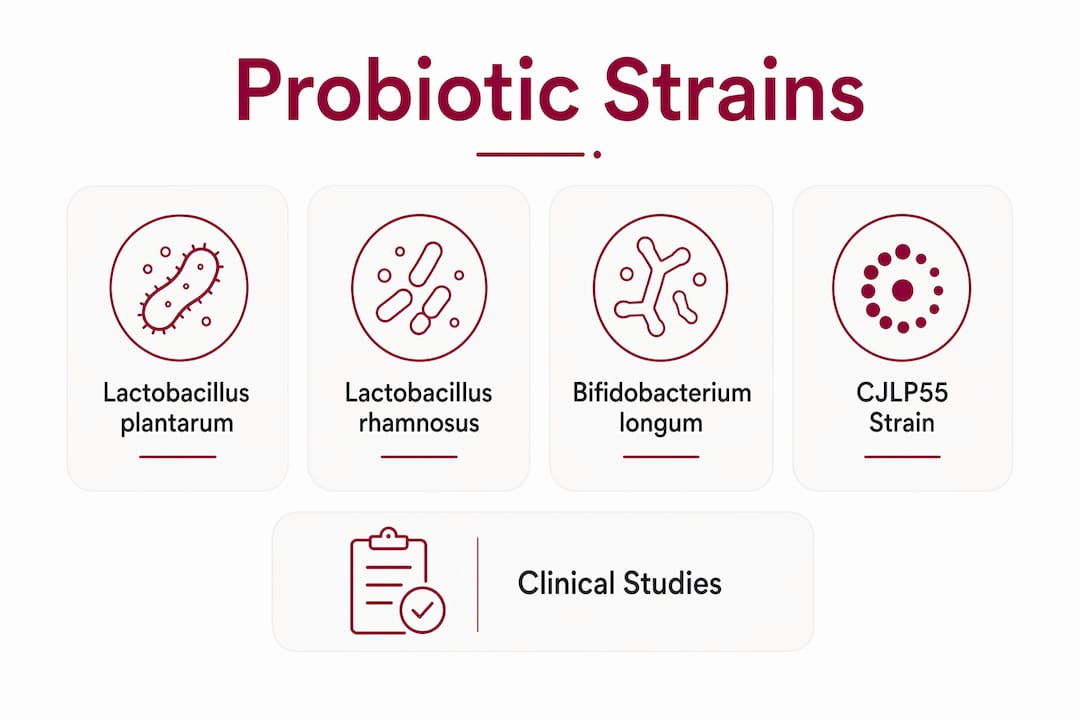
Strains with the strongest evidence
| Strain | Evidence type | Key outcome |
|---|---|---|
| Lactobacillus plantarum CJLP55 | 12-week RCT | — |
| Lactobacillus rhamnosus GG | Pilot studies | Improved acne severity; mTOR pathway modulation noted |
| Bifidobacterium longum | Clinical studies | Reduced inflammatory lesions; adjunctive use supported |
| Multi-strain combinations | Randomized trials | Lesion reduction plus lower IL-6; 12-week standard duration |
One important caveat: some studies find no consistent gut microbiota differences between acne and non-acne groups, suggesting the relationship involves functional changes in the small intestine rather than simple compositional shifts. The science is real but not settled. Probiotic effects are also generally milder than topical retinoids or benzoyl peroxide for moderate-to-severe acne. A systematic review in Nutrients summarizes the field as showing “cautious optimism” — which is an honest read.
Pro Tip: When evaluating a probiotic product, look for the full strain name (genus, species, and strain code — e.g., “Lactobacillus rhamnosus GG”), the CFU count per serving, and the trial duration used in supporting studies. A label that says only “contains probiotics” tells you almost nothing.
How to use probiotics for clearer skin: foods, kombucha, and timing
Consistent daily intake for at least 8–12 weeks is the minimum to evaluate any effect — matching the standard clinical trial duration used in acne studies.

Delivery forms compared
Fermented foods (kombucha, yogurt, kefir): Practical for daily habit-building. Kombucha delivers live cultures alongside organic acids that support gut environment. The trade-off: strain identity and CFU count are rarely listed, so you’re supporting general gut diversity rather than targeting a specific acne-studied strain. Pair with gut microbiome dietary habits for best results.
Multi-strain supplements: Higher dose precision and strain specificity. Better for people who want to match trial conditions (e.g., a specific CFU of L. rhamnosus GG). Less enjoyable as a daily habit for some.
Topical probiotics: Emerging area. Some evidence for reducing C. acnes colonization and calming surface inflammation, but the oral route has more clinical backing for systemic acne inflammation.
What to expect week by week
- Weeks 1–2: Possible mild digestive adjustment (gas, bloating). Skin unlikely to change yet.
- Weeks 3–6: Gut environment begins stabilizing. Some people notice reduced redness or fewer new breakouts.
- Weeks 7–12: The window where trial data shows measurable lesion reduction for responders.
- Beyond 12 weeks: Maintenance. Stopping probiotic intake often reverses gains within weeks.
Starting checklist
- Record your start date and baseline (photos, lesion count)
- Note the strain name, CFU per serving, and sugar grams on your product label
- Commit to daily intake — skipping days resets the consistency the gut needs
- Add fiber-rich foods to feed the probiotic strains you’re introducing
- Book a dermatologist appointment if acne is moderate to severe before starting
Safety, interactions, and what Swiss readers should know
Probiotics are generally safe for healthy adults, but a few caveats apply.
- Immunocompromised people (post-transplant, on immunosuppressants, or with active systemic illness) should consult a physician before starting any probiotic regimen.
- Antibiotic interactions: If you’re on tetracyclines or other antibiotics for acne, take probiotics at least 2 hours apart to avoid the antibiotic killing the probiotic cultures before they reach the gut.
- Retinoids: No direct interaction with probiotics, but retinoids already affect sebum systemically — adding probiotics is generally fine and may complement inflammation reduction.
- Kombucha-specific: Fermented kombucha contains trace alcohol (typically under 0.5% ABV in commercial products) and variable sugar. For Swiss readers, check the label for both figures. Low-sugar options reduce the risk of counteracting probiotic benefits with excess glycemic load.
- When to see a dermatologist: Cystic or nodular acne, worsening inflammation after 4 weeks, or any systemic symptoms (fever, spreading redness) require professional evaluation. Swiss dermatological guidance frames probiotics as an adjunctive option alongside, not instead of, conventional therapies.
Common side effects are mild and transient: gas and bloating in the first 1–2 weeks as the gut adjusts. These typically resolve on their own.
How to choose a kombucha or probiotic product in Switzerland
Prioritize products with clear strain labeling, stated CFU per serving, low added sugar, and proper refrigeration guidance — those four criteria filter out most products that won’t deliver consistent benefit.
Checklist for Swiss shoppers:
- Strain name: Full name present (e.g., Lactobacillus rhamnosus GG or Bifidobacterium longum) — not just “probiotic cultures”
- CFU per serving: Listed on the label; higher isn’t always better, but transparency matters
- Sugar per serving: Aim for under 6g per 250ml serving for a kombucha
- ABV: Under 0.5% for daily use; check Swiss labeling regulations for fermented drinks
- Storage: Refrigerated products generally preserve live cultures better than shelf-stable
- Expiration date: Closer to purchase date means more viable cultures
- Subscription option: Consistent intake is the whole game — a subscription removes the friction of remembering to reorder
For a ready-to-drink option that checks these boxes, Aboocha offers low-sugar kombucha with clear storage guidance and a subscription plan designed for exactly this kind of daily routine. The flavor variety (including Sour Plum and Yuzu Osmanthus) makes it easier to stick with the 8–12 week window that trial data suggests you need.
Key Takeaways
Probiotics help acne skin by reducing gut-driven systemic inflammation through the gut–skin axis, with the strongest evidence coming from specific strains used consistently over 8–12 weeks.
| Point | Details |
|---|---|
| Gut–skin axis is the mechanism | Gut microbes modulate cytokines, barrier integrity, and IGF-1/mTOR signals that drive acne inflammation. |
| Strain specificity matters | L. rhamnosus GG, B. longum, and L. plantarum CJLP55 have the most clinical backing for acne. |
| Expect results after 8–12 weeks | One 12-week trial showed ~49.7% reduction in total lesions and ~42% in inflammatory lesions; effects are modest compared to retinoids. |
| Safety caveats apply | Immunocompromised individuals and those on antibiotics should consult a physician first. |
| Aboocha for consistent intake | Aboocha’s low-sugar kombucha with a subscription plan supports the daily routine acne trials require. |
The case for patience over perfection
Most people who try probiotics for acne quit too early or pick the wrong product. A bottle of generic “probiotic drink” with no strain name on the label and 12g of sugar per serving isn’t going to replicate what L. rhamnosus GG did in a controlled trial. That gap between what the research tests and what most people actually consume is where the disappointment lives.
What the evidence actually supports is narrower and more interesting: specific strains, at meaningful doses, taken consistently alongside an anti-inflammatory diet, can meaningfully reduce inflammatory lesion counts for some people. Not all people. Not overnight. And not as a replacement for a dermatologist when acne is severe.
The gut–skin axis is bidirectional, which means skin inflammation can worsen gut responses too. Getting the gut side right — through consistent probiotic intake, fiber, and reduced processed food — creates a feedback loop that works in your favor rather than against it. That’s worth a structured 12-week trial. It’s not worth skipping the dermatologist.
Aboocha fits naturally into a consistent probiotic routine
If the 8–12 week commitment is the barrier, the fix is making daily intake effortless. Aboocha’s low-sugar kombucha delivers live cultures in flavors you’ll actually want to drink every day, with a subscription option that removes the reorder friction entirely.
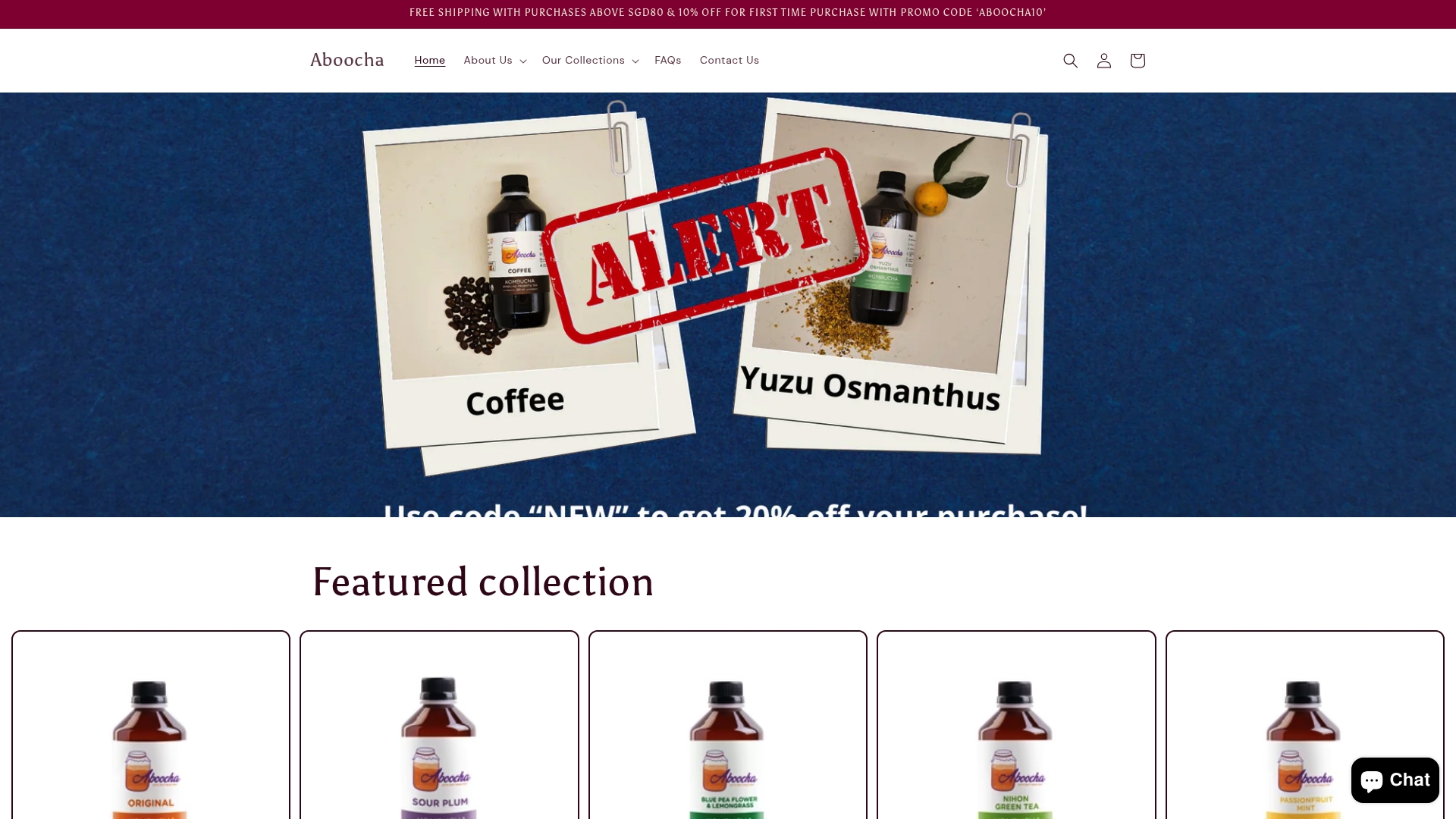
Each bottle is refrigerated, clearly labeled for sugar content, and formulated with gut health as the primary goal — not sweetness. For Swiss readers building a probiotic routine around acne management, it’s a practical starting point that fits the checklist above. Aboocha is a suggested adjunct to a dermatologist-approved acne plan, not a prescription replacement.
Ready to start your 12-week trial? Explore Aboocha’s kombucha range and find the subscription plan that keeps your routine consistent.
Useful sources and further reading
- The Role of Probiotics in Skin Health and Related Gut–Skin Axis: A Review — Nutrients, Gao et al. — Supports the gut–skin axis mechanism overview and evidence limits.
- Frontiers in Cellular and Infection Microbiology: Gut microbiota and pan-dermatological diseases — bidirectional Mendelian randomization — Causal evidence linking specific gut genera to acne risk.
- Rosenfluh: Ernährung und ihre Einflüsse auf kutane Entzündungsprozesse — Source for the L. plantarum CJLP55 trial data and mTOR pathway discussion.
- SWILAB: Probiotika und Haut — Swiss-market guidance on the gut–skin axis and probiotic mechanisms.
- La Roche-Posay Switzerland: Probiotika bei Akne — Swiss dermatological framing of probiotics as adjunctive acne care.
- Clinical trial registry: Probiotics in acne vulgaris (NCT07539129) — Trial design reference for 12-week duration and IL-6 endpoints.
- Dr. Jetske Ultee: Darmbakterien und Akne study results — Evidence that gut composition differences in acne are not universal; supports nuanced claims.
- BIOGENA: Wie ein gesunder Darm die Haut beeinflusst — Lifestyle and dietary context for gut microbial diversity and skin health.
FAQ
Do probiotics actually help with acne?
Yes, for some people. Specific strains like Lactobacillus rhamnosus GG, Bifidobacterium longum, and Lactobacillus plantarum CJLP55 show measurable lesion reductions in clinical trials — for example, L. plantarum CJLP55 reduced total lesions by ~49.7% and inflammatory lesions by ~42% in one study — though effects are modest and strain-specific rather than universal.
How long before probiotics improve acne skin?
Most clinical trials run 12 weeks, and meaningful improvements typically appear in weeks 7–12 of consistent daily intake. Stopping early is the most common reason people see no result.
Can kombucha help with acne?
Kombucha delivers live cultures and organic acids that support gut diversity, which may reduce systemic inflammation linked to acne. Choose a low-sugar option — under 6g per 250ml — to avoid counteracting the benefit with glycemic load.
Is it safe to take probiotics while on acne antibiotics?
Generally yes, but timing matters. Take probiotics at least 2 hours apart from antibiotics to prevent the antibiotic from killing the cultures before they reach the gut. Consult your dermatologist if you’re on prescription acne medication.
Which probiotic strains are best for acne?
Lactobacillus plantarum CJLP55, Lactobacillus rhamnosus GG, and Bifidobacterium longum have the most clinical support for acne. Look for the full strain name on any product label before purchasing.
This article is general health information, not medical advice. For moderate or severe acne, confirm any probiotic regimen with a qualified dermatologist.