
Naturally fizzy healthy drinks are beverages that combine natural carbonation with live cultures or low sugar content to support gut wellness and hydration. Unlike factory-made sodas, the types of naturally fizzy healthy drinks covered here get their bubbles from fermentation or mineral springs, not CO2 machines. Fermented options like kombucha and water kefir deliver probiotic gut health benefits through live bacteria and yeasts. Naturally sparkling mineral waters offer hydration and minerals without any additives. This guide covers every major category so you can match the right drink to your wellness goals.
1. What are fermented fizzy drinks and why are they beneficial?
Fermented fizzy drinks are the most nutrient-dense category of naturally sparkling beverages. They get their carbonation from a biological process: microorganisms consume sugar and release carbon dioxide as a byproduct. That same process also produces live cultures, organic acids, and B vitamins that support digestion and immunity.
The three most common fermented fizzy drinks are:
- Kombucha: Brewed from sweetened tea using a SCOBY (symbiotic culture of bacteria and yeast). The SCOBY ferments the tea over 7–14 days, producing a lightly tart, effervescent drink rich in acetic acid and live cultures.
- Water kefir: Made by fermenting sugar water with kefir grains, a cluster of bacteria and yeasts. It produces a milder, slightly sweet fizz and works well as a base for fruit-flavored drinks.
- Homemade ginger beer: Fermented using a ginger bug starter culture. Ginger contains gingerol, a bioactive compound with anti-inflammatory and digestive properties that enhance the drink’s functional value.
Sugar content is a key reason these drinks outperform conventional sodas. Self-made water kefir or kombucha contains roughly 2g of residual sugar per 100ml, compared to 8–11g per 100ml in industrial soft drinks. Fermentation consumes most of the added sugar, leaving a drink that is genuinely low in sugar rather than just marketed that way.
Fermented drinks support the gut microbiome through live cultures, but they work best alongside a balanced, fiber-rich diet. They are not a standalone cure. Think of them as a daily supplement to good eating habits, not a replacement.
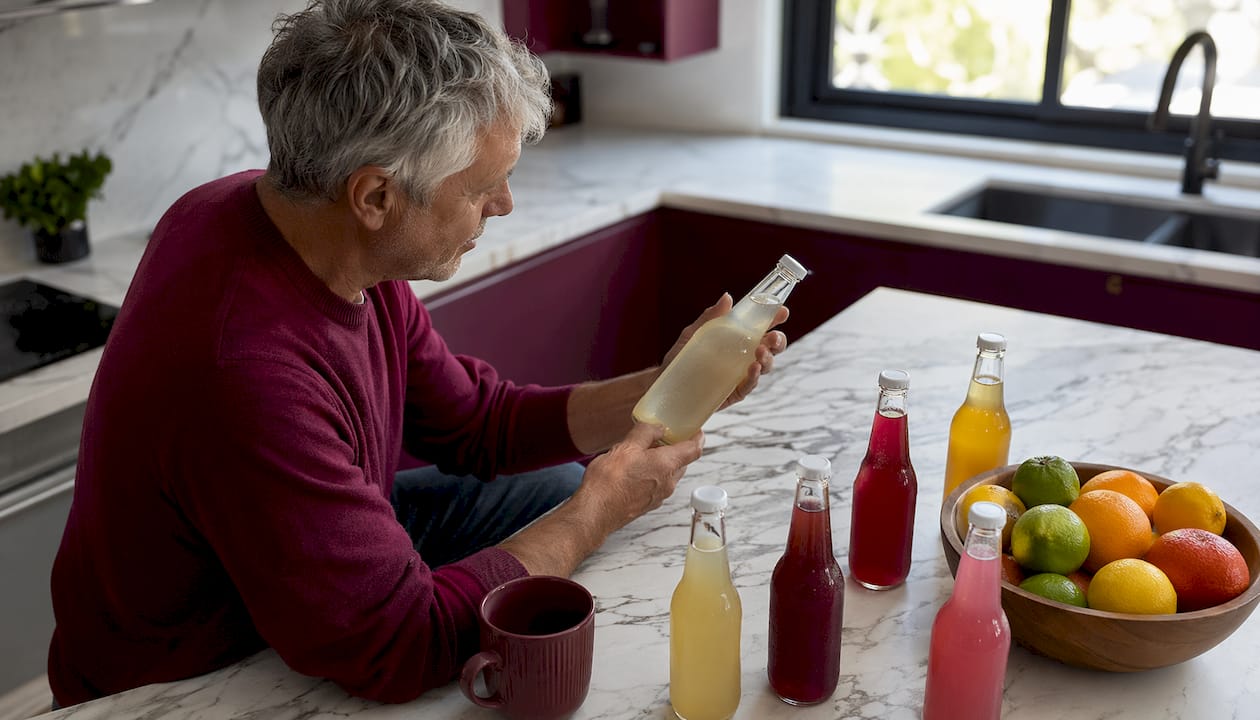
Pro Tip: Look for the phrase “contains live cultures” on any bottled fermented drink. Many commercial probiotic sodas use inactive bacteria, which significantly reduces their health value compared to traditionally fermented beverages.
2. Naturally sparkling mineral and flavored waters
Naturally sparkling mineral water is water that emerges from a spring already carbonated by dissolved carbon dioxide underground. It is not the same as sparkling water that has been artificially carbonated after the fact. The distinction matters because natural mineral water also carries a mineral profile, including calcium, magnesium, and bicarbonate, that varies by source.
The core benefits of naturally sparkling mineral water include:
- Zero sugar: No fermentation means no residual sugar and no calories from sweeteners.
- Mineral content: Calcium and magnesium from the source contribute to daily mineral intake.
- Hydration: Sparkling mineral waters hydrate as effectively as still water for most people.
- No live cultures: Unlike fermented drinks, mineral water contains no probiotics. It supports hydration but not the gut microbiome directly.
Flavored sparkling waters sit in a separate subcategory. They typically combine carbonated water with natural fruit essences or extracts. The best options contain no added sugar and no artificial sweeteners. Read labels carefully. Some flavored sparkling waters include citric acid, which is fine in moderation, but others add sweeteners that undercut the health benefit.
The main limitation of sparkling water as a healthy carbonated beverage is what it lacks. It delivers hydration and a satisfying fizz, but it does not provide the live cultures or organic acids that fermented drinks offer. For gut health specifically, sparkling water is a complement to fermented drinks, not a substitute.
3. Fiber-enhanced and plant-based fizzy drinks
Fiber-enhanced sodas are a newer category of functional beverages that add prebiotic fiber to a carbonated base. The appeal is straightforward: combine the fizz of a soda with the gut benefits of dietary fiber. The reality is more complicated.
Commercial fiber-enhanced sodas typically contain 7–10g of fiber per dose, well below the 30g daily fiber intake recommended by the German Nutrition Society. That gap means a single can contributes meaningfully but cannot replace whole food fiber sources. The cost is also notable, with some products priced at the equivalent of $6 or more per liter.
The most common fiber ingredient in these drinks is fructooligosaccharides (FOS), a type of prebiotic fiber. FOS doses in commercial drinks are often below the threshold used in clinical studies, which raises questions about real-world efficacy. Prebiotics feed beneficial gut bacteria, but only at sufficient doses.
The European Food Safety Authority (EFSA) has not confirmed most probiotic health claims found on processed drinks. That applies to many fiber-enhanced sodas as well. Marketing language like “supports digestion” or “gut-friendly” does not equal a verified health claim under European food law.
Plant-based fizzy drinks, such as those made with apple cider vinegar or botanical extracts, follow a similar pattern. Some ingredients have genuine functional value. Apple cider vinegar, for example, contains acetic acid, which has been studied for its effect on blood sugar response. The key question is always dosage. A small splash in a sparkling drink rarely delivers a clinically meaningful amount.
4. How to make your own naturally fizzy healthy drinks at home
Homemade fermented fizzy drinks give you full control over sugar content, flavor, and fermentation time. The process is simpler than most people expect, and the results are often better than store-bought options.
The basic requirements for home fermentation include:
- A starter culture: Water kefir grains for water kefir, a SCOBY for kombucha, or a ginger bug for ginger beer.
- Clean equipment: Glass jars, airtight swing-top bottles, and a fine-mesh strainer. Hygiene is non-negotiable. Contamination during secondary fermentation can ruin a batch and, in rare cases, create unsafe conditions.
- Sugar: Acts as food for the microorganisms. During secondary fermentation, approximately 1 teaspoon of sugar per 750ml gives the cultures enough to produce carbonation without leaving excess sugar in the final drink.
- Flavoring ingredients: Fresh ginger, lemon juice, berries, hibiscus, or herbs like mint and basil all work well. Add these during the second fermentation stage.
Secondary fermentation is where the fizz develops. Seal the flavored drink in airtight bottles and leave at room temperature. Secondary fermentation takes 24–48 hours at 22–28°C (72–82°F) to build natural carbonation. After that, refrigerate to stop fermentation and lock in the bubbles.
Pro Tip: Burp your bottles once during secondary fermentation by briefly opening the cap to release excess pressure. This prevents over-carbonation and reduces the risk of bottles opening unexpectedly.
The fermented drink varieties you can make at home are far more diverse than what most stores carry. Yuzu and osmanthus water kefir, hibiscus kombucha, and sour plum ginger beer are all achievable with basic equipment and a little patience.
5. How these naturally fizzy drinks compare in health benefits and taste
Each category of naturally sparkling drink serves a different wellness purpose. The table below summarizes the key differences to help you choose based on your goals.
| Drink type | Sugar per 100ml | Live cultures | Fiber | Flavor profile |
|---|---|---|---|---|
| Kombucha | ~2g | Yes | Trace | Tart, complex, slightly sweet |
| Water kefir | ~2g | Yes | None | Mild, fruity, lightly sweet |
| Ginger beer (fermented) | ~3g | Yes | None | Spicy, bright, warming |
| Naturally sparkling mineral water | 0g | No | None | Neutral to mineral |
| Flavored sparkling water | 0g | No | None | Light, fruit-forward |
| Fiber-enhanced soda | Varies | No | 7–10g per dose | Sweet, often fruit-flavored |
Fermented drinks win on probiotic value and flavor complexity. They are the best choice for gut health support, provided you select products with confirmed live cultures. Sparkling mineral water wins on simplicity and zero sugar. It is the best daily hydration option for people who want fizz without any functional claims. Fiber-enhanced sodas fill a niche for people who struggle to meet fiber targets through food alone, but they should not be the primary fiber source.
Taste preference matters as much as health data. Kombucha’s tartness is not for everyone. Water kefir is gentler and more approachable for people new to fermented drinks. Ginger beer made with a live culture delivers a bold, spicy profile that pairs well with food. Exploring low sugar fermented options is the fastest way to find what works for your palate and your gut.
Key Takeaways
Fermented fizzy drinks with live cultures and low sugar content are the most effective naturally carbonated beverages for supporting gut health, hydration, and flavor variety.
| Point | Details |
|---|---|
| Fermented drinks lead on gut health | Kombucha and water kefir contain live cultures and only ~2g sugar per 100ml. |
| Sparkling water excels at hydration | Naturally sparkling mineral water delivers minerals and zero sugar with no probiotics. |
| Fiber sodas have real limits | Most contain 7–10g fiber per dose, well below the 30g daily recommendation. |
| Home fermentation gives full control | Secondary fermentation at 22–28°C for 24–48 hours produces safe, flavorful fizz. |
| EFSA has not verified most probiotic claims | Always look for “live cultures” on the label rather than relying on marketing language. |
Why I think most people are choosing the wrong fizzy drink
Most health-conscious consumers I talk to have replaced soda with sparkling water and feel good about that choice. It is a solid upgrade. But they stop there, and that is where the real opportunity gets missed.
Sparkling water hydrates. It does not feed your gut microbiome. The fermented fizzy drinks category, particularly kombucha and water kefir, does something fundamentally different. The live cultures in a well-made kombucha interact with your gut bacteria in ways that no amount of mineral water can replicate. The flavor complexity is also in a different league. Aboocha’s Yuzu Osmanthus and Sour Plum profiles are a good example of what fermented drinks can taste like when flavor is treated as seriously as function.
The fiber-enhanced soda trend is worth watching, but I would not put money on it yet. The doses are too low, the prices are too high, and EFSA has not validated the claims. If you want fiber, eat vegetables. If you want gut-supportive fizz, choose a live-culture fermented drink.
The best approach is variety. Rotate between a quality fermented drink for gut support, naturally sparkling mineral water for daily hydration, and the occasional homemade batch when you want to experiment with flavor. Moderation and diversity matter more than finding one perfect drink and sticking to it forever.
— Luna
Aboocha’s fermented drinks for your fizzy wellness routine
Aboocha crafts kombucha with lower sugar and flavor profiles you will not find on a standard grocery shelf. Sour Plum, Yuzu Osmanthus, and other signature varieties deliver live cultures alongside genuinely interesting taste.
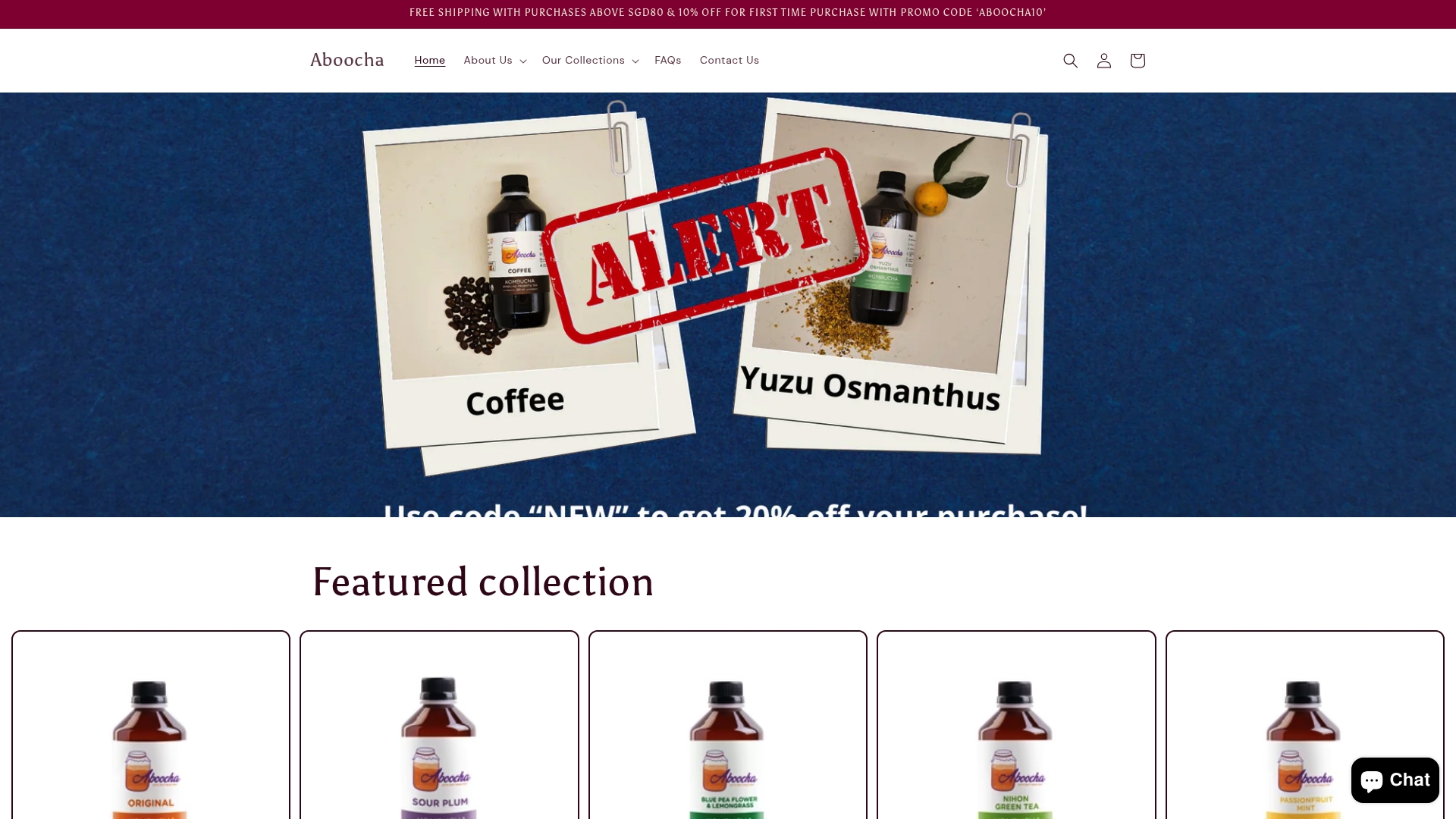
For people ready to build a regular fermented drink habit, Aboocha’s curated drink bundles make it easy to sample multiple flavors without committing to a single variety. The Aboocha x Deefruit collaboration is worth exploring if you want something outside the standard kombucha range. For workplaces or households that go through fermented drinks regularly, the corporate pantry program offers a practical way to keep quality fizzy drinks stocked without repeated ordering.
FAQ
What makes a fizzy drink “naturally” carbonated?
Natural carbonation comes from fermentation or underground mineral springs, not from injecting CO2 into still water. Fermented drinks like kombucha and water kefir produce carbon dioxide as a byproduct of microbial activity.
Are fermented fizzy drinks safe to drink every day?
Yes, for most healthy adults. Fermented drinks like kombucha and water kefir are safe in moderate daily amounts, though people with compromised immune systems should consult a doctor before adding live-culture beverages regularly.
How do I know if a probiotic drink actually contains live cultures?
Check the label for the phrase “contains live cultures” or “live and active cultures.” The European Food Safety Authority has not confirmed most probiotic health claims on commercial drinks, so the label wording is your most reliable indicator.
Can homemade fizzy drinks go wrong?
Yes. Poor hygiene during fermentation can introduce harmful bacteria. Always use clean equipment, protect your starter culture from contamination, and refrigerate finished drinks promptly after secondary fermentation completes.
Is sparkling water a good substitute for fermented drinks?
Sparkling mineral water is an excellent hydration choice with zero sugar, but it contains no live cultures. It complements fermented drinks well but does not replicate their gut health benefits.